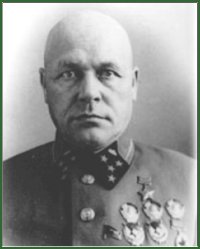
PTUKHIN, Evgenyi Savvich. General-leitenant.

[English version at the end]

 PERSONAJES DE BARBARROJA

¡Ya a la venta Barbarroja 03:00 hrs!


GENERAL-LEITENANT EVGENYI SAVVICH PTUKHIN (1902-1942)
ptukhin vvs-kovo
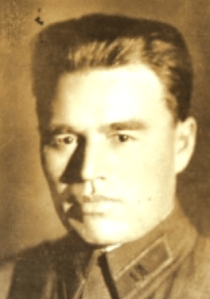
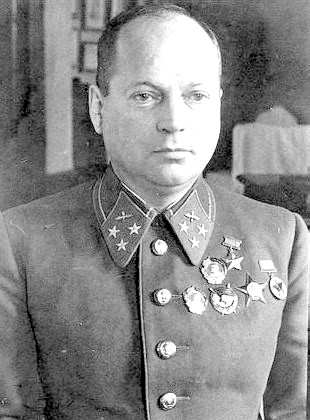
Retrato del Jefe de las fuerzas aéreas del Distrito Militar Especial de Kiev. General Evgenyi Savvich Ptukhin. Veterano de la Guerra Civil Española, acabará trágicamente su carrera como consecuencia de los desastrosos eventos del verano de 1941.

Como su camarada de armas, el Comandante de las fuerzas aéreas del Frente Occidental, el general-maior Ivan Ivanovich Kopets, Ptukhin es un veterano de la Guerra Civil Española. En la primavera de 1937 Ptukhin es destacado a España como asesor militar del gobierno republicano hasta su retorno a la URSS al año siguiente. Se le conoce con el sobrenombre de «General José» estando además al mando 26º Grupo de Caza. Se le atribuyen 2 derribos compartidos en el área de Madrid y Segovia. Es condecorado como Héroe de la Unión Soviética en 1940. Tambien participa en el conflicto ruso-finés como Comandante de las fuerzas aéreas del Frente Noroccidental, la Guerra de Invierno 1939-40.

En la histórica fecha del 22 de junio de 1941, Evgenyi Savvich Ptukhin es el Comandante del VVS-KOVO (fuerzas aéreas del Distrito Especial Militar de Kiev). Sus unidades aéreas dependen del Jefe del mencionado Distrito, general Kirponos. Dispone de la impresionante cifra de 2.061 aeronaves (entre ellas hay 466 bombarderos y 1.343 cazas, de los que casi 200 son del nuevo modelo MiG-3) [fuente: http://www.v3let.ru/]. La fuerza a la que se van a enfrentar son los aparatos del 4. Luftflotte del Generaloberst Alexander Löhr, que cuenta con 390 bombarderos y 321 cazas [Fuente http://www.lexikon-der-wehrmacht.de]. La relación de efectivos es desfavorable para el Eje, pero la efectividad  y los resultados conseguidos por la Luftwaffe serán espectaculares.

Mientras las unidades de la VVS  están siendo en gran medida neutralizadas por los ataques sorpresa de la Luftwaffe en el sector septentrional y central del extenso «frente ruso», en el sur la aviación roja aún permanece activa y con capacidad de devolver los golpes. El primer ataque alemán ha sido serio, pero existen docenas de aeródromos dispersos por toda Ucrania, muchos de los cuales ni siquiera están en las carpetas de objetivos de los pilotos germanos. Ptukhin reacciona. Ha dado instrucciones desde las primeras horas de atacar aeródromos enemigos, áreas de concentración de tropas y de defender con cazas a las unidades de primera línea.

La cantidad de aparatos soviéticos destruidos en sus mismas bases aumenta a cada hora que pasa, pero desde los más alejadas pistas de las unidades de bombardeo de Ptukhin se planea ya un segundo ataque. En el Frente Sudoccidental (de Distrito Militar pasa a constituirse en «Frente» en la misma jornada) la VVS presenta cara. A pesar de todo y del arrojo de sus aviadores las pérdidas aumentan y las misiones de bombardeo se suelen saldar con numerosos derribos de sus aparatos Tupolev SB. Su fuerza aérea al igual que en los otros teatros de operaciones también se desangra.

Así el 24 de junio (algunas fuentes señalan días más tarde) es relevado del mando y puesto bajo arresto, siguiendo la “expeditiva vía” de Moscú de dar ejemplo en los campos de batalla. Será fusilado en 1942. Tras la muerte de Stalin, como en otros casos, su nombre será rehabilitado en 1954…
 

vvs-kovo
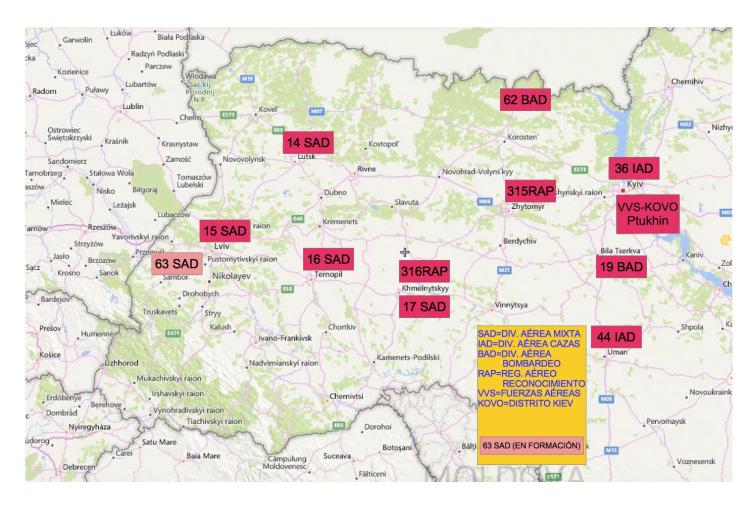
Unidades aéreas del Distrito Especial Militar de Kiev a disposición de Ptukhin. Diferentes fuentes señalan diferentes dislocaciones y unidades. [fuente: «Aviación Soviética durante la Gran Guerra Patria en cifras». 1962].

¿Querrías conocer los detalles del día a día de la Operación Barbarroja? Deja tu comentario abajo…

¡Adquiere la obra cronológica Barbarroja 03:00h en edición de coleccionista!


Comprar Ahora Button

Sigue interesantes referencias también en Twitter @barbarroja0300h


[English version]

BARBAROSSA’S PROTAGONISTS


LIEUTENANT-GENERAL EVGENYI SAVVICH PTUKHIN (1902-1942)
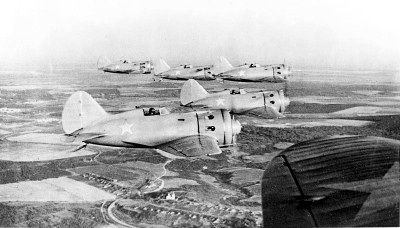
 

i-16 formation
Ptukhin’s large fighter force is mainly comprised by obsolete Polikarpov’s, like the I-16’s depicted.

Like his ill-fated comrade, Ivan Ivanovich Kopets, general-maior and Commander of the Western Front air forces (VVS-Zapadnyi Front), Ptukhin is too a veteran of the Spanish Civil War. In spring 1937 Ptukhin is detached to Spain serving as a military advisor for the Republican Government, until his return to the USSR on the next year. He is known by the nickname «General José» and he is given the command of the 26th Fighter Group as well. During the air combats in the area of Madrid and Segovia he claims 2 shared air victories. In 1940 he is decorated as Hero of the Soviet Union. He also participates in the russo-finnish conflict (Winter War 1939-40) as the Commander of the Northwestern Front air forces.

On the dramatic 22nd of June 1941, Evgenyi Savvich Ptukhin is this time the Commander of the VVS-KOVO (Kiev Special Military District air forces). His numerous air units depend on the Commander of the aforementioned District, General Kirponos. His powerful command consists of 2,061 airplanes (amongst them 466 bombers and 1,343 fighters, out of the latter almost 200 belong to the modern type MiG-3) . He will be forced to fight off Alexander Löhr’s 4. Luftflotte, which add up to 390 bombers and 321 fighters . The ratio of assets are quite unbalanced, but the results will be quite succesful for the German wings.

While the VVS squadrons have been greatly decimated by the Luftwaffe’s surprise attacks in the central and northern theatres of operations, in the south the «red air force» is still active and capable to fight. The German blow has been serious, but the Soviets have dozens of aerodromes spread out across the Ukraine and not all of them are in the German target folders. Ptukhin reacts. He issues orders from the early morning hours to attack adversaries’ aerodromess, troop assembly areas and to defend the army on the front lines.
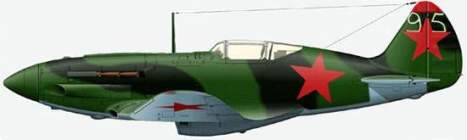
mig-3 1941
Ptukhin has almost 200 modern MiG-3’s. One of his units equipped with this new type, the 15 SAD (15th Mixed Air Division), is based too close to the border in the Lvov area. It will suffer great losses within the very first hours of the German onslaught.

The number of destroyed Soviet aircraft increase by the hour; the German punishment starts again and again in consecutive waves, but Ptukhin has ordered already a second attack from his far still untouched bases. In the Southwestern Front the VVS flies and fights. However, and in spite of the courage of its pilots, the losses grow relentlessly to alarming proportions. Bombing missions usually end up with too many Tupolev SB’s shot down. Like on the other sectors of the front, his air forces bleed off slowly…

This way, on the 24th of June 1941 (this vary according to different sources) he is arrested and relieved from command following «the expeditious Moscow style» in order to set an example for the other commanders. He will face the execution squad in 1942. As in other cases, his name will be rehabilitated in 1954 after Stalin’s death…


Did you find this article interesting? Leave your comments below…

Follow other articles in Twitter @barbarroja0300h

Kleist, Ewald von. Generaloberst.

[English version at the end]

 PERSONAJES DE BARBARROJA

¡Ya a la venta Barbarroja 03:00 hrs!


GENERALOBERST EWALD VON KLEIST (1881-1954)

kleist-panzer-iii
Impersión artística de Ewald von Kleist en su vehículo de mando en la operación de invasión de la URSS. [Juan Carlos Ciordia].

El Generaloberst Ewald von Kleist va a constituirse en la pieza clave de la estrategia de ruptura de la línea defensiva del Frente Sudoccidental soviético (Yugo-zapadnyi front). Esta es la zona de responsabilidad del general Kirponos. El 1. Panzergruppe «Kleist» está encuadrado en el Grupo de Ejércitos Sur (Heeresgruppe Süd), uno de los tres grupos de ejército que abarcan el extenso frente desde el Mar Báltico hasta el Mar Negro. El grupo Panzer cuenta con 3 cuerpos motorizados y, entre ellos, con 5 divisiones acorazadas (728 blindados). A estas hay que sumar la Waffen SS Motorisierte Division “LSSAH” (Leibstandarte SS Adolf Hitler) y la Waffen SS Motorisierte Division  “Wiking”, ambas unidades móviles de élite.

Kleist, capitán en la época de la Primera Guerra Mundial, ya está retirado a mediados de los años 30. Pero los acontecimientos en los que se ve envuelta Alemania en 1939 hacen que vuelva a ser incorporado al servicio activo. Así participará en la campaña polaca de 1939 como jefe de un cuerpo motorizado y posteriormente en 1940 en la campaña de Francia al mando del famoso Panzergruppe «Kleist». En abril de 1941 interviene en la campaña yugoslava.

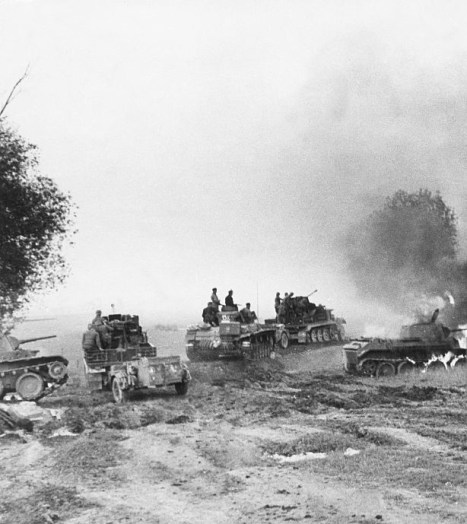
panzergruppe kleist on the march across ukraine
Blindados del 1. Panzergruppe «Kleist» a través de Ucrania. Dos carros soviéticos BT-5 fuera de combate.

El 22 de junio de 1941 Kleist es la principal baza del Grupo de Ejércitos Sur del mariscal de campo von Ründstedt. Penetra en cuña en la zona adyacente entre el general Potapov (5º Ejército) y Muzychenko (6º Ejército). La maniobra resulta exitosa y los Panzer se internan peligrosamente sin el apoyo de los Landser (apelativo común del soldado alemán). La infantería de a pie no puede seguir el ritmo de las fuerzas móviles. En este momento de la guerra, la Wehrmacht no está motorizada en su mayoría. Es una fuerza hipomóvil. Debido a la inferioridad numérica de Kleist contra las fuerzas acorazadas del general Kirponos (3.400 carros de combate) y su desprecio por la seguridad de sus flancos en su carrera hacia el interior de Ucrania, va a estar en un serio aprieto en la primera semana de la Operación Barbarroja. Para suerte del germano, los soviéticos, a pesar de superarle en casi 4 a 1 en número de carros de combate, están mal coordinados en la ejecución del contraataque. Van llegando al combate escalonadamente. Kleist supera además en la táctica de la maniobra a Kirponos y recibe el apoyo vital de la Luftwaffe (4. Luftflotte). Kleist saldrá airoso en última instancia tras varias jornadas de la mayor batalla de carros de combate de la historia hasta la fecha: La batalla del triángulo Brody-Lutsk-Dubno.

Resuelta la crisis, una vez capturado Zhitomir y con sus Panzer ya próximos a Kiev, va a recibir la sorpresiva orden de no asaltar la capital de Ucrania, sino de girar 90 grados a la derecha y dirigirse hacia el sureste, dejando al gran río Dnieper a su izquierda. El objeto es embolsar a un gran contingente soviético. La orden sorprenderá tanto a alemanes como al estado mayor soviético, que ya se preparaba para la defensa a ultranza. Hasta ese momento, von Ründstedt, no ha sido capaz de asestar un golpe decisivo al enemigo del estilo de las bolsas en el sector bielorruso. Von Kleist consiguirá finalmente poner el cerrojo a 90.000 adversarios en la famosa bolsa de Uman en la primera semana de agosto de 1941.

Acto seguido en septiembre, una gigantesca maniobra en tenaza entre su grupo acorazado y el 2. Panzergruppe de Guderian conseguirán el mayor embolsamiento de la historia de las guerras: más de 600.000 soviéticos quedarán copados al este de Kiev…


¿Querrías conocer los detalles día a día de la Operación «Barbarroja»? Deja tu comentario abajo…

¡Adquiere la obra cronológica Barbarroja 03:00h en edición de coleccionista!


Comprar Ahora Button

Sigue interesantes referencias también en Twitter @barbarroja0300h


[English version]

BARBAROSSA’S PROTAGONISTS


COLONEL-GENERAL EWALD VON KLEIST (1881-1954)


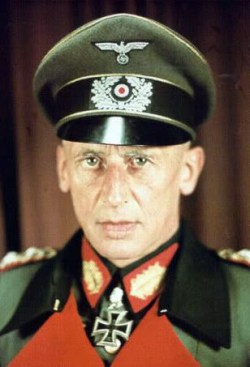
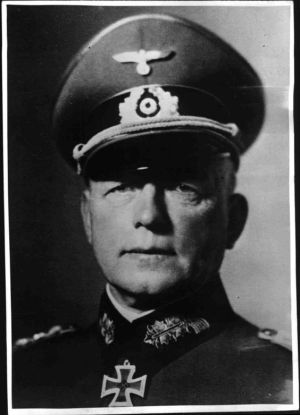
Kleist portrait
Portrait of the Knight’s Cross of the Cross of Iron’s holder, Colonel-General Ewald von Kleist.

Generaloberst Ewald von Kleist becomes himself the key of the rupture strategy of the Southwestern Front defensive lines (Yugo-zapadnyi front). This is the area of responsibility of General Kirponos. His 1. Panzergruppe is under the hierarchy of Army Group South (Heeresgruppe Süd), the force in charge of the southern sector of the vast Eastern Front. It stretches from the Baltic Sea to the Black Sea. 1. Panzergruppe  consists of 3 motorized corps and within them, 5 armoured divisions (728 tanks). In addition he will be assigned the Waffen SS Motorisierte Division “LSSAH” (Leibstandarte Adolf Hitler) and the Waffen SS Motorisierte Division  “Wiking”, both elite mobile units.

Kleist, already a Captain during the First World War, is retired in the 30’s. But the evolving circumstances affecting Germany shortly after will see him recalled to active duty. Thus, he will command a motorized corps during the Polish campaign in 1939 and later in 1940 a full armoured group, the famous Panzergruppe «Kleist» in France. He will also participate in April 1941 in the Yugoslavian campaign.

panzergruppe kleist
One of the Panzer divisions  belonging to the 1. Panzergruppe «Kleist» across the Ukraine. The highly visible «K» painted on the vehicles identify his forces. [Inventar-Nr.: Gm WII0035-15A]

On the 22nd of June 1941, Kleist is the main asset of von Ründstedt’s Army Group South. As a wedge he pierces the adjacent area between General Potapov (5th Army) and Muzychenko (6th Army), launching his tanks in a successful breakthrough. The Panzer move forward withouth the help pf the slow moving Landser (usual nickname of the German soldier). Contrary to the common knowledge the Wehrmacht is not a motorized force at this stage. Still relies on horses and the feet of its soldiers. Due to the numerical inferiority of Kleist versus Kirponos’ armoured units (+3,400 tanks) and ignoring his flanks in his penetration throughout the Ukraine, he will face the first crisis during the first week of Operation Barbarossa. Luckily and in spite of being overnumbered 4-1 in tanks, the Soviets launch their counter-attack uncoordinatedly and piece-meal. Kleist is tactically superior to Kirponos and enjoys a tremendous air superiority (4. Luftflotte). After a few critical days, he will have the upper hand in the largest up to-date tank battle in History: the battle of the triangle Brody-Lutsk-Dubno.

Kleist briefings Italian allies

Kleist briefs his Italian allies

Once the crisis is resolved and Zhitomir is captured, approaching his Panzer to Kiev he will receive the surprising order of not to assault the Ukraine’s capital city but to turn 90 degrees to the right and head to the southeast (leaving the Dniepr river left to the East). The purpose: To encircle a vast enemy force. This order will surprise either Germans and Soviets, the latter already consolidating Kiev’s defenses. Up to this moment von Ründstedt has not been able to deliver a decisive blow to the enemy as von Bock has done in Belarus. Von Kleist will lock up a force of 90,000 enemy troops in the famous Uman “cauldron» within the first week of August 1941.

Shortly therefter in September, a gigantic pincer maneouvre between his armoured group and Guderian’s 2. Panzergruppe will manage to encircle the largest enemy contingent of troops: More than 600,000 soviet soldiers will be trapped due East of Kiev…


Did you find this article interesting? Leave your comments below…

Follow other articles in Twitter @barbarroja0300h
KIRPONOS, Mikhail Petrovich. General-leitenant.

[English version at the end]

 PERSONAJES DE BARBARROJA

¡Ya a la venta Barbarroja 03:00 hrs!


TENIENTE GENERAL MIKHAIL PETROVICH KIRPONOS (1892-1941)

kirponos, mikhail petrovich
General-leitenant Mikhail Petrovich Kirponos. Es el Jefe del Distrito Especial Militar de Kiev. El mismo día 22 de junio de 1941 (Barbarossatag) su circunscripción militar pasa a constituirse como «Frente Sudoccidental». Kirponos morirá en combate en septiembre de este año al intentar escapar de la bolsa de Kiev.

El teniente general M. P. Kirponos, Jefe del Distrito Especial Militar de Kiev (inmediatamente redesignado como Yugo-zapadnyi front o Frente Sudoccidental), tendrá que reaccionar contra la cuña acorazada de von Kleist (1. Panzergruppe) en Ucrania. Para ello dispone de un poderoso contingente de blindados encuadrados en varios cuerpos mecanizados, con los que  iniciará una contraofensiva con el objeto de aislar la maniobra de los Panzer. Pero la dislocación de sus unidades acorazadas es demasiado grande en un vasto territorio. Lanzará al combate hasta 6 cuerpos mecanizados, pero llegarán al combate sin coordinación, desde distancias de hasta 400 kilómetros, escalonadamente a lo largo de varias jornadas y bajo implacable acoso de la Luftwaffe.

Sus cuerpos mecanizados totalizan de hecho una cantidad de efectivos bastante superior a los alemanes y con ellos, a diferencia de su compañero de armas, Pavlov, Jefe del Frente Occidental, va a poner en serios aprietos a von Kleist en el triángulo Dubno-Lutsk-Brody en la primera semana de Barbarroja. Se va a dar el mayor enfrentamiento de carros de combate hasta ese momento de la Historia. Un hecho de armas tan ingente como desconocido. Más de 3.800 blindados combatirán en una batalla prácticamente olvidada en Occidente. El mundo no sabrá de nada igual hasta la batalla del saliente de Kursk en 1943 (Operación «Zitadelle»). Kleist se verá superado casi 4 veces en número de carros de combate. La balanza, empero, se inclinará a favor del lado germano, cuyas divisiones se las arreglarán para neutralizar las oleadas de ataques en secuencia de Kirponos. La mayor parte del material de Kirponos lo constituyen T-26 y rápidos modelos BT. Es aquí donde los carristas alemanes se dan de bruces por vez primera contra los monstruosos KV-1 y KV-2. Cuando los Panzer abren fuego sobre ellos, la munición sencillamente rebota como si tal cosa. No obstante, y a costa de gravosas pérdidas (por ambas partes), el general soviético se verá obligado a ceder terreno irremisiblemente en dirección a Kiev.

Kirponos, ucraniano de nacimiento, es veterano de la Primera Guerra Mundial y de la Guerra Civil Rusa. En 1939 participa en la Guerra de Invierno contra Finlandia con mando en división, tras la que es condecorado Héroe de la Unión Soviética.

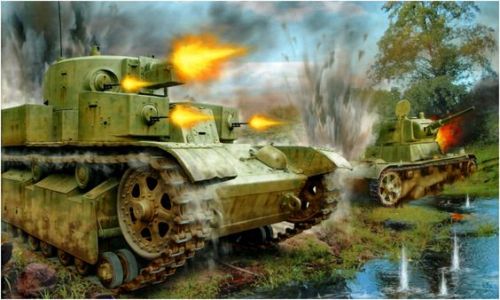
t-28 and t-26 drawing dubno
Impresión artística de los combates en el triángulo Dubno-Lutsk-Brody. Un T-28 y al fondo un T-26 alcanzado por fuego del adversario.

El 22 de junio de 1941, su poderoso Distrito Militar ocupa aproximadamente lo que son las regiones occidentales de Ucrania. Tiene bajo su mando a las siguientes fuerzas:

  • 5º Ejército (M. I. Potapov)
  • 6º Ejército (I. N. Muzychenko)
  • 12º Ejército (P. G. Ponedelin)
  • 26º Ejército (F. Ya. Kostenko)
  • PVO <Defensa antiaérea> (A. I. Danilov)
  • VVS <Fuerzas Aéreas> (E. S. Ptukhin)

En un primer compás el 1. Panzergruppe “Kleist” se abre paso en cuña entre la división geográfica del 5º y 6º ejércitos soviéticos. La maniobra es un éxito. Tras los blindados progresan los Landser (apelativo común del soldado alemán) del 6º Ejército de Reichenau, que a pesar de la resistencia de Potapov, asegura los flancos y la retaguardia de los veloces medios acorazados. Como se menciona más arriba, Kirponos ordena el repentino contrataque cuyo objetivo es cercar a Kleist y progresar hacia el interior de Polonia hasta la población de Lublin…

Imágenes de Kirponos en Kiev con su estado mayor [Cortesía net-film.ru]

¿Querrías conocer los detalles de esta y las demas operaciones? Deja tu comentario abajo…

¡Adquiere la obra cronológica Barbarroja 03:00h en edición de coleccionista!


Comprar Ahora Button

Sigue interesantes referencias también en Twitter @barbarroja0300h


[English version]

BARBAROSSA’S PROTAGONISTS


LIEUTENANT-GENERAL MIKHAIL PETROVICH KIRPONOS (1892-1941)


kv-2
KV-2 heavy tank abandoned at Pelcha, near Dubno on the first week of the tank clash in the triangle. Only the 88 mm. cannon and high caliber howitzers have a chance against this juggernaut.

Lieutenant-General Kirponos is the Commander in Chief of the Kiev Special Military District (immediately renamed as Yugo-zapadnyi front or Southwestern Front). He will be forced to fight back von Kleist’s 1. Panzergruppe in the Ukraine. He has a powerful armoured force, fielded in several mechanized corps that will counterattack with the aim of strangling von Kleist’s maneouvre. But his units are spread out across a too vast territory. He will order up to 6 of these corps to face the Germans at once and, therefore, they will arrive into combat uncoordinated, some having to travel 400 kilometres, piece-meal within a few days and under Luftwaffe action.

His mechanized corps totalize many more tanks than the German Gruppe. With them, unlike his comrade of arms, Pavlov, Commander in Chief of  the Western Front, he will provoke the first crisis to the attackers. This action will take place in the triangle Dubno-Lutsk-Brody during the first week of Barbarossa. At that stage the largest tank battle in History will occur. A fairly unknown clash of colossus. +3,800 tanks will fight in a battle almost forgotten in the Western media. The world will not see anything alike until 1943, Operation Zitadelle, in the Kursk salient. Kleist will see himself overwhelmed by almost 4 times as many tanks. The balance in the end will favor the German side, its divisions managing to neutralize Kirponos’ piece-meal attacks. Most of the Soviet tanks are T-26’s and fast BT’s models. It is here during these days when the Germans meet the monstruous KV-1’s and KV-2’s. When the Panzer units open fire at standard distances on them, the shots simply bounce off. Nevertheless and with high losses (on both sides), the RKKA (Red Army) General is forced to retreat towards Kiev.

Map of Dubno 24-25 june 1941
Situation map of the tringle Dubno-Brody-Lutsk during the 24th and 25th of June 1941. The German armoured thrust is attacked north and south by Kirponos’ mechanized corps. The fierce battle will still rage on for a few more days. [From «Barbarroja 03:00 hrs» ISBN: 978-84-9095-610-6].

Mikhail Petrovich Kirponos, born in the Ukraine, is already a veteran of the First World War and the Russian Civil War. He participates against the Finns in the 1939-40 Winter War, commanding a division. For his actions he is decorated as Hero of the Soviet Union.

On the 22nd of June 1941, his powerful Military District is mainly responsible of the western regions of the Ukraine. The following forces are under his command:

  • 5th Army (M. I. Potapov)
  • 6th Army (I. N. Muzychenko)
  • 12th Army (P. G. Ponedelin)
  • 26th Army (F. Ya. Kostenko)
  • PVO <Anti-air defenses> (A. I. Danilov)
  • VVS <Air Forces> (E. S. Ptukhin)

Swiftly, the 1. Panzergruppe “Kleist” breaks as a wedge through the adjacent sectors of the Soviet 5th and 6th armies. The maneouvre succeeds. After the fast tanks, the Landser (as the German soldier is called) belonging to the 6th German Army (Reichenau), secures the flanks and rearguard. Potapov offers resistance to no avail. As mentioned above, Kirponos orders the immediate counter-attack with the objective of strangling von Kleist and to advance into Lublin (Poland)…

Footage of Kirponos in Kiev with staff [Courtesy net-film.ru]

Did you find this article interesting? Leave your comments below…

Follow other articles in Twitter @barbarroja0300h
HOTH, Hermann. Generaloberst.

[English version at the end]

 PERSONAJES DE BARBARROJA

¡Ya a la venta Barbarroja 03:00 hrs!


TENIENTE GENERAL HERMANN HOTH (1885-1971)


hoth, hermann
Hermann «Papa» Hoth. Teniente general al mando del 3er Grupo Panzer al inicio de la invasión de la URSS. En tiempo récord tomará Minsk, y posteriormente Vitebsk y Smolensk.

El Generaloberst (teniente general) Hermann “Papa” Hoth es otra de las estrellas del arma acorazada (Panzerwaffe) de Alemania junto con clásicas figuras como Guderian, Kleist, Manstein, Höpner y otros. Labrará su fama como hombre directo, con cualidades para la estretegia y la táctica. Es bien apreciado por sus subordinados, quienes le tildan de «Papa».

Hoth participa en la Blitzkrieg contra Polonia al mando del XV. Armeekorps (mot.) (15º Cuerpo de Ejército Motorizado) y posteriormente en la campaña de Francia. Aquí, contra los aliados occidentales será premiado con la responsabilidad de dirigir un ejército completo (10. Armee).

Durante la ofensiva de Hitler contra la URSS, la Operación Barbarroja (Unternehmen Barbarossa), Hoth está mando del 3er Grupo Panzer (Grupo de Ejércitos Centro) y constituye el brazo norte de la pinza acorazada (Guderian conduce la sur) que atravesará velozmente Bielorrusia. Es la zona  de responsabilidad del Distrito Especial Militar Occidental (transformado en «Frente Occidental») del general Dmitrii G. Pavlov. De él dependen 4 divisiones Panzer (7ª, 12, 19ª y 20ª) y otras 3 motorizadas (14ª, 18ª y 20ª) organizadas en dos cuerpos de ejército motorizados. Penetrará a través del territorio sin excesivas complicaciones y con ello sellará tres importantes cercos de tropas soviéticas en Bielostok, Novogrudok y este de Minsk. Mientras los Panzer no detienen su carrera hacia el este, se permite a la lenta infantería que progresa detrás que sellen las bolsas y las liquiden. Entra victorioso en Minsk en tan sólo 5 días tras el Barbarossatag (día de comienzo de la campaña). Junto con Guderian es fiel creyente de la guerra de movimiento. Otro defensor a ultranza de identificar el Schwerpunkt (punto ideal de ruptura) del dispositivo defensivo enemigo y atravesarlo. El apoyo aéreo esencial lo recibe del 2. Luftflotte (2ª Flota Aérea) del mariscal Albert Kesselring.

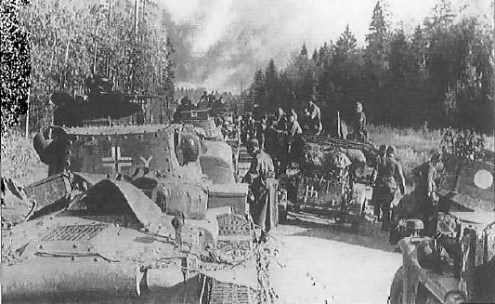
PzKpfw 38(t)
Columna motorizada con PzKpfw 38(t) del 3er Grupo Acorazado del general Hermann «Papa» Hoth. La «Y» tras la torreta del carro de combate denota su pertenencia a la 7. Panzer Division (Generalmajor Hans Freiherr von Funk).

Una vez capturado Minsk en tiempo récord, procederá hacia el noreste (río Dvina occidental) y capturará Vitebsk el 10 de julio. Desde el norte, el 15 de julio cortará el cordón umbilical que une Smolensk con Moscú. Sus unidades Panzer de vanguardia interceptan las vías férreas y la autopista que une las dos urbes. Entonces se enfrentará a una violenta reacción soviética y actuará de pantalla mientras Guderian desde el sur entra en Smolensk. Tras la toma y fintar el contragolpe soviético, tanto sus fuerzas como las de Guderian necesitarán un parón operativo de varias semanas antes de proseguir. Para sorpresa de todos y mentalizado a continuar hacia Moscú, del OKW (Oberkommando der Wehrmacht – Alto Mando de las Fuerzas Armadas) llegarán órdenes muy diferentes…


¿Te ha resultado de interés este artículo? Deja tu comentario abajo…

¡Adquiere la obra cronológica Barbarroja 03:00h en edición de coleccionista!


Comprar Ahora Button

Sigue interesantes referencias también en Twitter @barbarroja0300h


[English version]

BARBAROSSA’S PROTAGONISTS


COLONEL-GENERAL HERMANN HOTH (1885-1971)

hoth y manstein
Generals Hoth (right) and Guderian in the USSR campaign. They 2 will race across Belarus and will reach Smolensk before a major operational halt for rest and refit.[Courtesy Bundesarchiv Bild 101I-265-0024-21A]

Colonel-General Hermann “Papa” Hoth is one another of Germany’s Armoured Arm (Panzerwaffe) «stars» along with men like Guderian, Kleist, Manstein, Höpner, etc…He enjoys a reputation of steady man, skilled for the strategy and the tactics. His men respect him and nickname him «Papa».

Hoth takes part in the Polish Blitzkrieg in command of  the XV. Armeekorps (mot.) (15th Motorized Army Corps) and later on in the French campaign. This time, against the Western allies he will be prized with a higher resposibility leading a full army (10. Armee).

During Hitler’s offensive against the USSR, Operation Barbarossa (Unternehmen Barbarossa), Hoth is in command of the 3rd Panzer Group (Army Group Centre) and becomes the northern pincer (Guderian manages de southern one) that races throughout Belarus. This is the area of resposibility of the Soviet Western Special Military District (becoming the «Western Front» or Zapadnyi Front) under General Dmitrii G. Pavlov. In the order of battle he 0s given 4 Panzer (7th, 12th, 19th and 20th) plus 3 motorized divisions (14th, 18th and 20th). He will go across the Soviet defenses init

ially without major operational difficulties and manages to  lock up vast number of enemy troops in three consecutive “cauldrons” in Bielostok, Novogrudok and Eastern Minsk. Along with Guderian he is a faithful follower of the mobile warfare doctrine. He defends the idea of identifying the Schwerpunkt (ideal point of rupture) of the enemy’s defenses and break through it. His air support will come from the hands of Field Marshall Albert Kesselring‘s 2. Luftflotte (2nd Air Fleet).

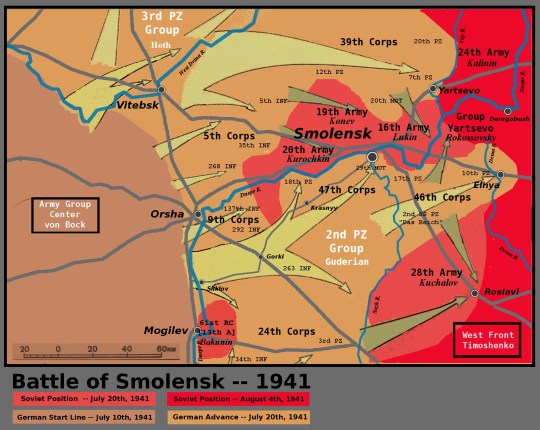
Smolensk operation july41
While Guderian’s 2rd Armoured Group crosses the Dnieper river, parallell to the north races Hoth’s 3rd Armoured Group, in a pincer menacing Smolensk. Soviet «Western Front» will fight corageously to keep an escape corridor open, while Timoshenko launches the first large scale counteroffensive against Hoth’s left flank. [Courtesy Wikipedia Commons]

Once Minsk falls in record time, he will lead his Panzer force due northeast (towards the Western Dvina river) and will seize Vitebsk. At that stage he will face a serious Soviet counterattack and will fight it off like a shield, while Guderian captures Smolensk (on the highway to Moscow). After the fall of the historical city of Smolensk and resisting the enemy’s counterstroke, Hoth and Guderian will need to make an operational halt of some weeks to rest and refit, before retaking the offensive. To everyone’s surprise and when he is convinced Moscow comes next, the OKW (Oberkommando der Wehrmacht – Armed Forces High Command) will issue very different orders…


Did you find this article interesting? Leave your comments below…

Follow other articles in Twitter @barbarroja0300h

PAVLOV, Dmitrii Grigorievich. General Armii

[English version at the end]

 PERSONAJES DE BARBARROJA

¡Ya a la venta Barbarroja 03:00 hrs!


GENERAL DEL EJÉRCITO DMITRII GRIGORIEVICH PAVLOV (1897-1941)

pavlov, dmitrii grigorievich
General del Ejército Dmitrii Grigorievich Pavlov, Comandante del Distrito Especial Militar Occidental. La designación cambiará el mismo día 22 de junio de 1941 y pasará a ser el Comandante del «Frente Occidental». Su jefatura, de corta duración, tendrá un fatal desenlace.

A las 01:00 horas del 22 de junio de 1941, el mariscal Kliment Voroshilov, Comisario del Pueblo para la Defensa, telefonea al general Dmitrii Grigorievich Pavlov, Comandante del Distrito Militar Especial Occidental, para informarse de primera mano sobre cuál es la situación real tras la frontera. Al Kremlin han ido llegando numerosos indicios de actividad inusual y ruido de motores en el lado alemán. Sólo quedan 2 horas para que Hitler lance su Operación Barbarroja:

– ¿Cómo vais? ¿Está todo en orden?

Pavlov constata, efectivamente, movimientos importantes de tropas germanas tras la frontera, tras lo cual se le transmiten las consignas de Stalin:

– Cálmate y no te asustes. En todo caso, reúne mañana a tu estado mayor por la mañana; puede ser que ocurra cualquier situación desagradable, pero no te dejes llevar por la menor provocación y en caso de provocaciones aisladas, llámame.”

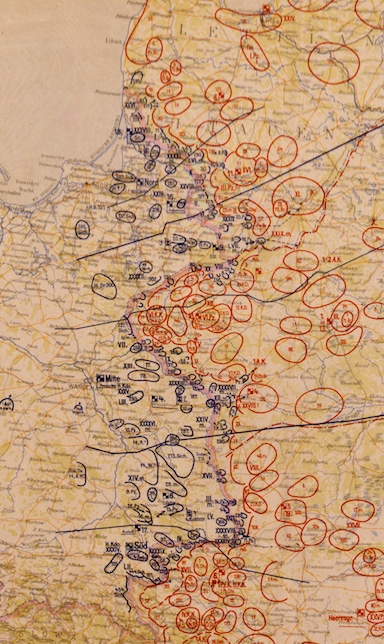
Pavlov va a soportar la titánica tarea de intentar parar la embestida del Grupo de Ejércitos Centro (mariscal de campo Fedor von Bock), que emplea dos imponentes cuñas acorazadas: La de Hermann Hoth (3. Panzergruppe) y Heinz Guderian (2. Panzergruppe).  El malogrado general cuenta con cuatro ejércitos (3º, 4º, 10º y 13º) peligrosamente desplegados en un saliente desde cuyos extremos, Von Bock, inicia una maniobra de tenaza. Ante la rapidez y furiosidad de la acometida de los generales germanos, Pavlov se ve forzado a reaccionar sin verdadero conocimiento de la situación en el campo de batalla, ni apenas informes de las unidades y con su sistema de mando y control en la práctica deshecho. El 2. Luftflotte de Albert Kesselring está atacando con devastadora efectividad nudos vitales de comunicaciones y puestos de mando. En numerosas ocasiones debe despachar oficiales de enlace para intentar contactar con unidades “perdidas”.

Dmitrii Grigorievich Pavlov, militar curtido, ha participado en la Guerra Civil Española al mando de una brigada acorazada soviética al servicio de la República Española (1936-37) e incluso ha combatido en la Batalla del Jarama en 1937. Sus experiencias en el conflicto ibérico le valen para ser condecorado Héroe de la Unión Soviética y jefe de las fuerzas acorazadas y motorizadas.

Pero en Barbarroja, tras sufrir desastre tras desastre intentando resistir el rodillo de la Wehrmacht, con grandes unidades copadas y en continua retirada, Pavlov será relevado y arrestado el 4 de julio de 1941 por orden de Moscú y puesto frente al pelotón de ejecución con numerosos cargos, entre ellos cobardía y negligencia criminal. Incluso se le acusará de participar en una trama antisoviética.  El 16 de julio el GKO (Gosudarstvennyi Komitet Oborony – Comité Estatal para la Defensa) dicta su sentencia de muerte. Después de la muerte de Stalin, su nombre sería rehabilitado en 1957.

¿Te ha resultado de interés este artículo? Deja tu comentario abajo…

¡Adquiere la obra cronológica Barbarroja 03:00h en edición de coleccionista!


Comprar Ahora Button

Sigue interesantes referencias también en Twitter @barbarroja0300h


[English version]

BARBAROSSA’S PROTAGONISTS


GENERAL OF THE ARMY DMITRII GRIGORIEVICH PAVLOV (1897-1941)

Byelostok salient german map
The central sector presents a «C» shape salient towards the West that is the German Army Group «Centre» resposibility. Von Bock will conduct his 2 armoured wedges from the top and bottom of the salient trapping thousands of hopeless Soviet troops. Note the red symbology depicting the forward deployment of those armies. [Lage Ost Karte 22.juni.41]

At 01:00 hours, June 22nd 1941, Marshall Kliment Voroshilov, People’s Commissar for Defence, phones General Dmitrii Grigorievich Pavlov, Commander of the Western Special Military District, in order to obtain a first hand report of the real situation, just a 2 hours before Hitler unleashes his attack. Numerous evidences of unusual German activity and engine noise reports have been arriving to the Kremlin:

– How’s it going? All in order?

Pavlov reports indeed significant troop activity behind the border. Right after he is communicated Stalin’s standing orders:

– Stay calm and don’t worry. Just summit your Staff tomorrow morning. A nasty situation might arise tomorrow, but don’t react to any provocations and in case of isolated incidents just give me a call.

Pavlov will be committed in a few hours to stop the gigantic assault of Army Group Centre (Generalfeldmarschall Fedor von Bock), with its two powerful armoured wedges: Hermann Hoth’s 3. Panzergruppe and Heinz Guderian’s 2. Panzergruppe. The ill-fated general counts on 4 powerful armies (3rd, 4th, 10th and 13th) which are dangeroulsy exposed inside a salient.  Von Bock will take advantage of this deployment to lauch his Panzer force in a pincer maneouvre to encircle the Soviets. Before the swift and decisive movement of the German generals he will just react almost blindly with no knowledge of the battlefield current events, practically without unit’s combat reports and with his command and control system in shambles. Albert Kesselring‘s 2. Luftflotte is inflicting severe damage to his comunications networks and command posts. He will be forced to dispatch couriers who will need to find «missing» units throughout his theater of operations to obtain first hand reports.

Dmitrii Gregorievich Pavlov, a seasoned officer, has taken part in the Spanish Civil War in command af a Soviet tank brigade under the Spanish Republican flag (1936-37). He has even participated in the famous Battle for the Jarama in 1937. His feats in the Iberian conflict grant him the title of Hero of the Soviet Union and he is appointed Chief of Armoured and Mechanized Forces.

But during Barbarossa trying to withstand the Wehrmacht‘s onslaught, defeat after defeat, with large units being encircled and always retreating, Pavlov will be relieved from command and arrested by Moscow’s orders on the 4th of July 1941. He will face the firing squad under charges of cowardice and criminal negligence. He will be even charged with participating in an anti-soviet complot. On the 16th of July the GKO (Gosudarstvennyi Komitet Oborony – Defence State Committee) will sign his death sentence. His name would be rehabilitated after Stalin’s death, in 1957.


Did you find this article interesting? Leave your comments below…

Follow other articles in Twitter @barbarroja0300h
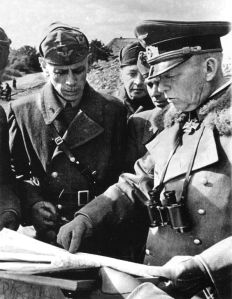
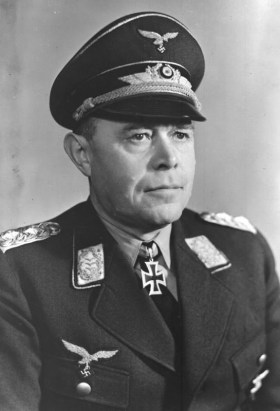
Keller, Alfred. Generaloberst

Keller-Alfred 1 luftflotte
Generaloberst Alfred Keller. 1. Luftflotte. Grupo Ejércitos «Norte»

[English version at the end]

Generaloberst Alfred Keller. Está al mando del 1. Luftflotte (1ª Flota Aérea) asignada al teatro de operaciones del Grupo de Ejércitos “Norte”. Tiene como misión el apoyo desde el aire de las operaciones de Wilhelm Ritter von Leeb desde Prusia Oriental hasta las aguas del Dvina y posteriormente hasta Leningrado. Su cadena logística se gestiona desde Köningsberg, en Prusia Oriental.

Al igual que las otras unidades de la Luftwaffe de los otros teatros, participará al amanecer del 22 de junio en el ataque a bases aéreas de la VVS, la Fuerza Aérea Roja. La sorpresa será denominador común ocasionando pérdidas severas a las fuerzas aéreas del general Ionov (Distrito Especial Militar del Báltico). Entre otras alas de combate contará con la archifamosa Ala de Caza núm. 54 Grünherz, al mando de un líder muy capaz: el comandante Johannes Trautloft, veterano de la Guerra Civil Española.

Gracias a la intervención directa de los aviadores de Keller, se posibilita la progresión de las tropas de von Leeb hasta los arrabales de Leningrado. En las primeras semanas, los soviéticos reaccionan enviando a multitud de bombarderos Tupolev sin escolta de cazas, lo que engrosará la lista de victorias de los pilotos de Messerschmitt de Alfred Keller.

Pronto empezará a notar la falta de repuestos y cómo la operatividad de sus unidades desciende radicalmente, en un escenario bélico con las líneas de suministro sobreextendidas…

Esto y mucho más en la obra cronológica Barbarroja 03:00 hrs.


Comprar Ahora Button

———————————————[English version]———————————————

He is in command of the 1. Luftflotte (1st Air Fleet) assigned to Army Group “North”. His mission is to support von Leeb’s operations from Eastern Prussia to the waters of the river Dvina and further, towards Leningrad. His logistical support is managed from Königsberg (Eastern Prussia).

bf109 jg54 hannes traufloft
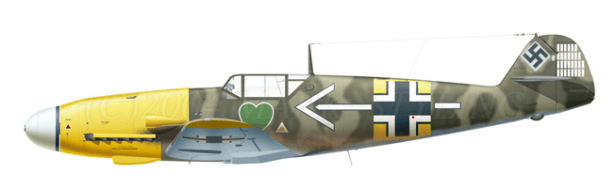
Johannes Trautloft’s personal Bf-109F-2. JG 54. 1.Luftflotte.

Like its other Luftwaffe sister units in the rest of the theatres of operations, at dawn on the 22nd of June 1941, he  will carry out surprise attacks against the airbases of the VVS, the Red Air Force. Under almost total surprise he will inflict severe losses on General Ionov‘s flying units (Baltic Special Military District). Apart from  bomber units, Alfred Keller will count on the famous JG 54 (54th Fighter Wing) Grünhertz commanded by a very capable leader: Major Johannes Trautloft, a seasoned veteran from the Spanish Civil War.

Thanks to Keller’s aviators, von Leeb will eventually arrive to the gates of Leningrad. In the first weeks the Soviets will react sending endless numbers of twin engine Tupolev bombers without fighter escort, fact that will greatly enlarge the list of victories of Keller’s Messerschmitt pilots.

However, this success will bring soon a decline of readiness, due to an acute lack of spare parts in a war scenario with over-extended logistic lines…


Volver

Se ha enviado tu mensaje

Advertencia
Advertencia
Advertencia

¡Aviso!

Kesselring, Albert. Generalfeldmarschall

kesselring albert 2 Luftflotte hgm
Generalfeldmarschall Albert Kesselring. 2. Luftflotte. Grupo Ejércitos «Centro»

[English version at the end]

Los generales de Barbarroja.

Está al mando del 2. Luftflotte (2ª Flota Aérea), integrado en el Grupo de Ejércitos Centro de von Bock. Inicialmente para su estrategia de ataques a tierra sorpresivos contra los aeródromos soviéticos cuenta con una muy entrenada fuerza de bombardeo y 3 alas de cazas (27ª, 51ª y 53ª). Una de ellas, la JG 51 (Jagdgeschwader 51) está al mando de una de las “estrellas” del momento en Alemania, el teniente coronel Werner Mölders. El adversario directo de Albert Kesselring será el general-maior I. I. Kopets y su aviación dependiente del Distrito Militar Occidental de Pavlov.

Luftwaffe Moelders 15jul41 100 victorias
Mölders regresa de una misión con 100 victorias. 15 julio 1941. JG 51 (2. Luftflotte)

La operación de Kesselring en su teatro de operaciones será similar al de los otros escenarios del frente ruso: 1) Una intensa campaña de destrucción del poder aéreo enemigo en el suelo, 2) apoyo directo cercano a las unidades acorazadas que abren camino hacia Minsk y Smolensk y 3) operaciones de interdicción (ataques a nudos de comunicaciones en profundidad para impedir en lo posible la afluencia de refuerzos del RKKA hacia el frente).

No obstante, el 19 de julio de 1941, los escuadrones de bombarderos de Kesselring, junto con otras especialmente desplegadas para la ocasión iniciarán una campaña de “bombardeo estratégico” de Moscú. Con base en aeródromos capturados en la zona de Smolensk-Orsha-Vitebsk, la Luftwaffe efectúa raid tras raid nocturno. Moscú, empero, no es pillado por sorpresa, sino que establece una formidable defensa de anillos sucesivos de artillería antiaérea, reflectores, un sistema experimental de radar de alerta temprana y, naturalmente, una espectacular fuerza de unos 500 interceptadores. La campaña distará mucho de ser catalogada como de “estratégica” por varias razones. La principal es que la Luftwaffe nunca fue diseñada para tal fin, sino como apoyo a las unidades de tierra.


[English version]

Moscow-21-jul-air-raid-Luftwaffe
Moscow under air attack. The Luftwaffe starts a strategic campaing on the 21-22 July 1941

He commands the 2. Luftflotte (2nd Air Fleet), which in turn is under von Bock’s Army Group Centre. Initially for his sneak attacks on Soviet aerodromes counts on a very seasoned force of bombers and the addition of 3 fighter wings (27th, 51st and 53rd). One of those, the JG 51 (Jagdgeschwader 51), is commanded by one of Germany’s “stars”, Lieutenant-Colonel Werner Mölders. Albert Kesselring’s direct adversary will be the general-maior I. I. Kopets and his Western Military District‘s Aviation (Pavlov).

Kesselring’s operation in this theatre of operations will be identical to the other sectors of the “Russian front”: 1) And intense campaign of air-to-ground attacks against the enemy’s air power, 2) close air support to the armoured leading divisions clearing their way towards Minsk and Smolensk and 3) interdiction missions (deep attacks into the Soviet rearguard against communication lines to avoid as much as possible the reinforcement of the RKKA).

However, in July 1941, Kesselring’s bomber squadrons, along with other deployed ad-hoc units for the task will commence a “strategic bombing campaign” against Moscow. These assets, based on captured aerodromes in the area of Smolensk-Orsha-Vitebsk (Belarus), will fly night after night towards Stalin’s Capital city. Moscow, however, is prepared for such a contingency. An impressive defensive system is set in the form of concentric anti-aircraft artillery rings, searchlights and an experimental early warning radar. Of course, all is complemented with a formidable force of +500 interceptors. Nevertheless the campaign will fall short of the strategic concept for several reasons. The main one is that the Luftwaffe was never designed as an strategic air force, but a support arm for the ground units.


Volver

Se ha enviado tu mensaje

Advertencia
Advertencia
Advertencia

¡Aviso!

Löhr, Alexander. Generaloberst

[English version at the end]

Löhr 4th Air fleet 3rd Reich Air Force
Generaloberst Alexander Löhr. 4. Luftflotte. Grupo Ejércitos «Sur» [Cortesía Bundesarchiv]

Está al mando del 4. Luftflotte (4ª Flota Aérea). En el teatro de operaciones meridional del gigantesco frente del este tiene como misión la cooperación con el Grupo de Ejércitos Sur de von Rundstedt, también desde  bases en Rumanía. En total el área de operaciones comprende unos 550 por 450 kilómetros si tenemos en cuenta los objetivos en la península de Crimea (o unos 900 kilómetros, si tenemos en cuenta la importante ciudad de Rostov, la puerta del Cáucaso).

Su V. Fliegerkorps (5º Cuerpo Aéreo) debe apoyar las acciones desde el sur de Polonia del 6º Ejército, el 17º Ejército y sobre todo de las fuerzas acorazadas, que abrirán cuña hasta el corazón de Ucrania: las del 1er Grupo Acorazado de Ewald von Kleist.

El otro Fliegerkorps hermano, el IV., con cazas Messerschmitt y bombarderos Heinkel He-111 en dotación, debe prestar apoyo al avance, no sólo del 11er Ejército alemán, sino también al del 3er y 4º Ejército Rumano. El flanco meridional del frente ruso es el más “internacional” de todos. Existe además un destacamento operativo de la Luftwaffe en Rumanía denominado Deutsche Luftwaffenmission Rümanien, un despliegue de gran interés estratégico para Hitler, pues su objetivo es la protección de la industria del petróleo de su aliado.

Frente a la aviación de Alexander Löhr se despliegan las tres flotas de la aviación roja en Ucrania: La correspondiente al Distrito Especial Militar de Kiev, la de Odessa y la de la  Flota del Mar Negro (445 aviones). Sólo en el Distrito de Kiev se reparten en unos 150 aeródromos hasta 20 regimientos de cazas (entre otros tipos de unidades). Indudablemente un contingente aéreo numeroso que cuenta entre sus filas con 185 de los modernos MiG-3 y 62 Yak-1. Teniendo en cuenta que Löhr dispone de aproximadamente un tercio de esa fuerza, debe contar con el factor sorpresa para neutralizar a la VVS (Fuerza Aérea Soviética)…

¡ESTO Y MUCHO MÁS EN BARBARROJA 03:00H!


Comprar Ahora Button

———————————————[English version]———————————————

He is in command of the 4. Luftflotte (4th Air Fleet). His mission in the gigantic Eastern front is to cooperate with von Rundstedt’s Army Group South with bases also located in Rumania. In all, his theatre of operations is 550 by 450 km., if taken into account targets in the Crimean peninsula (or 900 km. if considering the key city of Rostov, the gate of the Caucasus).

bf109 LG2 ihlefeld 1941 USSR Russian Front
Messerschmitt Bf-109E. Herbert Ihlefeld from LG 2, 4. Luftflotte. This Fighter Wing is supporting Army Group «South’s» offensive in the Ukraine.

His V. Fliegerkorps (5th Air Corps) is meant to support from Southern Poland the 6th Army, the 17th and specially the armored forces, in charge to open up a breech towards Ukraine’s heart: von Kleist’s 1. Panzergruppe.

ploesti oil refinery
Ploesti oil refinery in Romania. Once the war starts against the USSR, Romanian oil will be Hitler’s main source of petrol and lubricants. The defense of these installations are of the outmost importance.

Its sister air corps, the IV. Fliegerkorps, with Messerschmitt‘s and Heinkel He-111 medium bombers must provide with direct support to not only the German 11th Army, but to the 3rd and 4th Romanian armies. The southern flank of the Russian front is the most “international” of all of them. On top of that there is an operational Luftwaffe Command in Romania called Deutsche Luftwaffenmission Rümanien. For Hitler it is of the outmost importance to defend his ally’s oil industry.

In front of Löhr’s airplanes there are up to three «red air force» deployments in the Ukraine: Kiev Special Military District, Odessa and the Black Sea Fleet (445 airplanes). Only in the Kiev District there are 150 bases with not less than 20 fighter regiments. Undoubtedly a powerful force that needs to be neutralized as it counts on 185 modern MiG-3’s and 62 Yak-1’s. Considering that Alexander Löhr has about 1/3 of that force, he must count on the surprise factor in order to knock out the VVS (Voenno-Vozdushnye Sily or Air Force) on the ground…

Did you find this article interesting? Leave your comments below…


Volver

Se ha enviado tu mensaje

Advertencia
Advertencia
Advertencia

¡Aviso!

Gavrilov, Pyotr Mikhailovich. Maior

[English version below]


PERSONAJES DE BARBARROJA


gavrilov-fortaleza-brest-junio-1941
Pyotr Mikhailovich Gavrilov, último defensor de la fortaleza de Brest

Gavrilov es el protagonista de una historia épica que comienza al primer segundo de la Operación Barbarroja en la fortaleza de Brest. Es uno de esos héroes de la Segunda Guerra Mundial desconocidos en Occidente. El comandante Gavrilov resiste el asalto de la 45ª División de Infantería germana mucho más de lo esperado. Incluso días después de declararse tomada por la infantería de la Wehrmacht, hay indicios de resistentes aún activos escondidos en las alcantarillas…


¿Quieres saber más?

¡Adquiere la obra cronológica Barbarroja 03:00h en edición de coleccionista!


Comprar Ahora Button


Muy interesante podcast de BlitztoCast sobre la resistencia de Gavrilov en Brest Escuchar minuto 24

Deja tu comentario abajo y sígue CONQUISTAR RUSIA punteando en la opción «SEGUIR / FOLLOW» a la izquierda de la página


[English version]


BARBAROSSA’S CHARACTERS


brest litovsk fortaleza
Patriotic drawing of the hard-core resistance of the garrison. Assault after assault the Landser of the 45th Infantry Division get to fierce street fighting in the central isle only to be called off when losses are amounting.

Gavrilov is the character of an epic episode that commences on the very first second of Operation Barbarossa in the Brest fortress. He is indeed one of the unsung heroes of World War Two in the West. Major Gavrilov withstands the assault of the German 45th Infantry Division much longer than expected. Days after being taken by the Wehrmacht infantry, there still seems to be frantic resistance even in the sewers of the fortress…


Please comment below and follow CONQUISTAR RUSIA clicking on «SEGUIR / FOLLOW» at the left of the page


Volver

Se ha enviado tu mensaje

Advertencia
Advertencia
Advertencia

¡Aviso!

Gavrilov, Piotr Mikhailovich. Maior

[English version below]

PERSONAJES DE BARBARROJA

gavrilov-fortaleza-brest-junio-1941
Gavrilov, último defensor de la fortaleza de Brest

Gavrilov es el protagonista de una historia épica que comienza al primer segundo de BARBARROJA en la fortaleza de Brest. El comandante Gavrilov resiste a la 45ª División de Infantería germana mucho más de lo esperado. Incluso días después de declararse tomada por la infantería alemana, hay indicios de resistentes aún activos escondidos en las alcantarillas…

¿Quieres saber más? ¡Adquiere la obra cronológica Barbarroja 03:00h en edición de coleccionista!


Comprar Ahora Button

Muy interesante podcast de BlitzoCast sobre las acciones de Gavrilov en Brest.  Escuchar desde minuto 24…

Sigue otros posts en Twitter @barbarroja0300h

———————————————[English version]———————————————

BARBAROSSA’S CHARACTERS

brest litovsk fortaleza
Patriotic drawing of the hard-core resistance of the garrison. Assault after assault the Landser of the 45th Infantry Division get to fierce street fighting in the central isle only to be called off when losses are amounting.

Gavrilov is the character of an epic episode that commances on the very first second of “Barbarossa” in the Brest fortress. Major Gavrilov withstands the German 45th Infantry Division much longer than expected. Days after being taken by German infantry, there seems to be frantic resistance even in the sewers of the fortress…

Do you want to now more? Follow this blog, or…

Follow interesting articles in Twitter @barbarroja0300h

Volver

Se ha enviado tu mensaje

Advertencia
Advertencia
Advertencia

¡Aviso!