Tupolev SB-2

[English version at the end]

LAS MÁQUINAS DE BARBARROJA

¡Ya a la venta Barbarroja 03:00 hrs!

TUPOLEV SB-2
tupolev sb-2
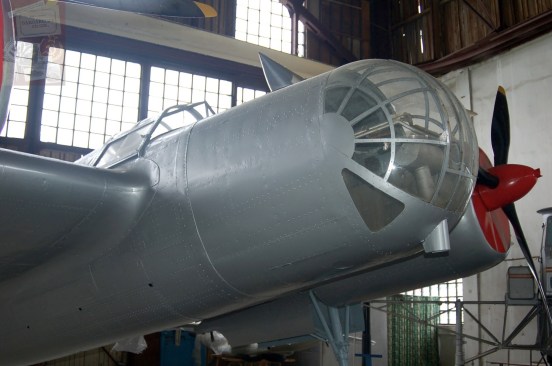
Tupolev SB-2 hoy en día en el museo de la Fuerza Aérea de la Federación Rusa (Monino, Moscú).

Es un bimotor de bombardeo medio rápido. Junto con el  DB-3  constituyen la espina dorsal de las fuerzas de ataque de la VVS (Voenno Vozdushnye Sily, Fuerza Aérea Soviética) al comienzo de la Operación Barbarroja. Son los aparatos estándar  de los SBAP (Skorostnoj Bombardirobochnyj Aviatsionnyj Polk -regimientos aéreos de bombardeo rápido).

El proyecto se inicia en 1933 por Tupolev. En su versión de serie de 1936 (con gran participación en la Guerra Civil Española desde el otoño de ese año), el aparato alcanza los 423 km/h. a 4.000 metros. La velocidad es realmente notable para el conflicto español, donde la caza enemiga (principalmente Heinkel He-51 y FIAT CR-32) no alcanza los 360 km/h. Puede portar una carga bélica de 600 kilogramos.

No obstante en el escenario de 1941 es un aparato ya superado. Pero es la primera fuerza de ataque de la que dispone Stalin. En los momentos iniciales de la invasión de la URSS el caos se apodera de las filas soviéticas. El mismo día 22 de junio de 1941 la reacción oficial de Moscú no llega sino a las 4 horas del inicio de las hostilidades. Se ordenan salidas inmediatas de estos aparatos contra los aeródromos y áreas de concentración de tropas hasta una profundidad de 100-150 kilómetros dentro del territorio del Reich y el bombardeo de las ciudades de Königsberg y Memel. Queda cancelada la orden anterior de “no cruzar la frontera” y por supuesto la de “no responder a la provocación” (hasta este momento Stalin había prohibido toda acción que hubiera servido de excusa a Alemania para una intervención).  De aeródromos a retaguardia salen numerosas misiones de ataque, pero muchas no encuentran a su escolta de cazas, con lo que son víctimas de los Messerschmitt. Las pérdidas son atroces. Los alemanes los denominan erróneamente “bombarderos Martin”.
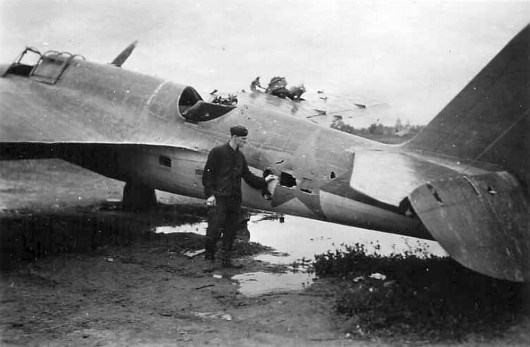
Tupolev sb-2 dañado
Un SB-2 mostrando daños de combate tras su regreso de una misión. Finalmente es capturado al ser tomada su base por la Wehrmacht.

El 22 de junio a las 12:15 horas el aeródromo de Byala-Podlyaska (antigua base polaca), base del Stab/StG 77 de Ju-87 Stuka es alertado por la llegada de tres formaciones de 9 SB cada una del 130 BAP/13 SAD (130º Regimiento Aéreo de Bombardeo de la 13ª División Aérea Mixta). La FlaK (Fliegerabwehrkanone o artillería antiaérea) abre fuego sobre los incursores que vuelan a una altitud media de 5.000 metros. El intenso fuego alemán consigue hacer perder la cohesión de las formaciones y aunque no se produce ningún derribo el ataque con 162 bombas FAB-100 pierde precisión. Los explosivos caen sin más por los alrededores del campo de aviación con daños mínimos. Pero a los pocos minutos son interceptados por Messerschmitt del Ala de Caza número 51 “As de Picas” del teniente coronel Mölders . El mismo Mölders pilota uno de los cazas y tras finalizar el combate reclama tres derribos. En total una veintena de los Tupolev SB no regresa…

La nueva ruptura de hostilidades días más tarde entre fineses y soviéticos (tras su Guerra de Invierno de 1939-1940)  abre un nuevo frente al norte de Leningrado, en el istmo de Karelia. Ambas aviaciones empiezan a combatir. Las bases de la Ilmavoimat (Fuerzas Aéreas Finlandesas) de Luostari y Rovaniemi son atacadas, así como la capital, Helsinki y Turku. Aparatos FIAT G.50 y Brewster 239 se enfrentan una vez más a los Tupolev SB y DB-3 de la VVS.

La tasa de pérdidas de los soviéticos es sencillamente inaceptable para cualquier estándar occidental, pero los pilotos  de los Messerschmitt se encuentran con unos aviadores muy decididos, que rehúsan apartarse de su rumbo de ataque hasta que las bombas no se han lanzado. La caza informSB-2 46SBAP 7division aereaa de casos en los que los artilleros de los bombarderos que caen derribados continúan disparando sus armas sin saltar en paracaídas.
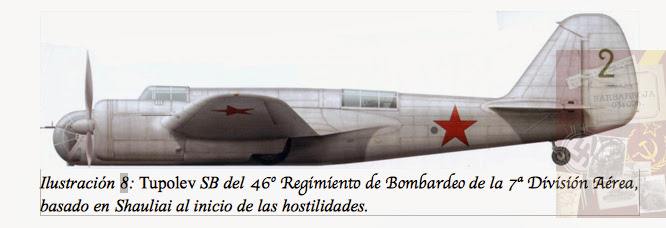
El día 30 de junio de 1941 (a 8 días del inicio de la guerra) sólo la flota de SB ha quedado reducida al 50%. Tal está siendo el castigo en tierra y en el aire. Poco a poco estos veteranos modelos Tupolev que ya vieron acción en China, Finlandia y España van quedando relegados a misiones nocturnas…

¿Te ha resultado de interés este artículo? Deja tu comentario abajo…

¡Adquiere la obra cronológica Barbarroja 03:00h en edición de coleccionista!


Comprar Ahora Button

Sigue interesantes referencias también en Twitter @barbarroja0300h

…………………………………[English version]………………………………

BARBAROSSA’S MACHINES

TUPOLEV SB-2
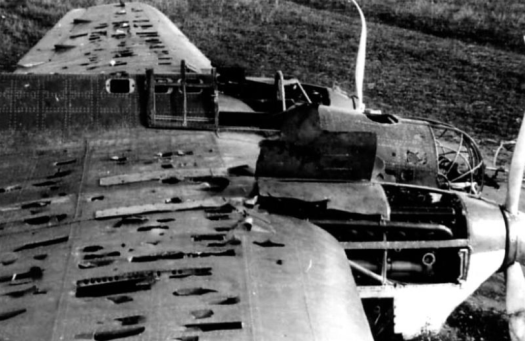
SB-2 shot down
During the summer of 1941 the loss rate of VVS SB-2 bombers is appalling. In spite of the determination of many crews, many missions are carried out without a much needed fighter escort.

A fast medium twin engine bomber. Along with the DB-3 it will form the attack VVS (Voenno Vozdushnye Sily, Soviet Air Force) backbone at the start of Operation Barbarossa. They are the standard machines in the SBAP (Skorostnoj Bombardirobochnyj Aviatsionnyj Polk -fast bomber aviation regiments).

The project starts in 1933 by Tupolev. In its 1936 series version (that takes intensive part in the Spanish Civil War since autumn that year), the SB-2 flies at a maximum speed of 423 km/h. at 4.000 metres. That speed is certainly impressive for the initial stages of the Spanish conflict, where the enemy fighters (mainly Heinkel  He-51’s and FIAT C.R.32’s) won’t perform faster than 360 km/h. It can carry 600 kg. warload.
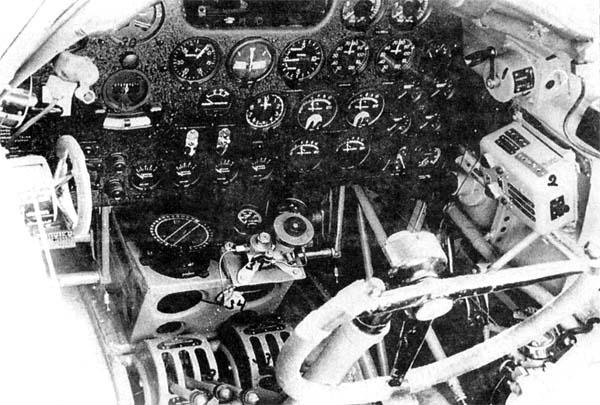
sb-2 instrument panel
SB-2 cockpit. A fast sleek twin engine bomber. In the picture can be seen the pilot’s instrument panel.

Nevertheless in the 1941 scenario it is an outdated machine. However it is the first attack force in Stalin’s inventory. In the early hours of the invasion of the USSR the chaos takes over the Soviet command and control network. Moscow’s official reaction to the aggression, on the very same 22 of June 1941, will not arrive to the front units until 4 hours after. Then orders arrive to retaliate with the SB-2’s against enemy aerodromes and troop assembly areas up to 100-150 kilometres in depth into the Reich’s territory. Cities like Königsberg and Memel will be also in the target list. The standing orders of “not to cross the borderline” and “not to respond to the provocation” are cancelled (up to this moment Stalin have forbidden any reaction that could be used as an excuse for the Germans). From rearguard bases many of these Tupolev’s will take off, but commonly they will not be able to «rendezvous» with their fighter escort. And soon they will fall prey of the Messerschmitts. Losses will be simply appalling. The Germans call them erroneously “Martin bombers”.

On the 22nd of June 1941 at 12:15 hours the alarm is raised at Byala-Podlyaska airbase, home of the Ju-87 Stuka Stab/StG 77. Three formations of 9 SB-2 each are approaching. They belong to the 130 BAP/13 SAD (130th Bomber Air regiment belonging to the 13th Mixed Air Division). The FlaK (Fliegerabwehrkanone or anti-aircraft artillery) opens fire upon the raiders which fly at a medium altitude of 5,000 metres. The intense fire fails to shoot anyone of them down, but makes their formations loose cohesion. They release 162 FAB-100 bombs, but the explosives fall inacurately around the base perimeter without major damage. In a matter of minutes they are intercepted by the Messerschmitt’s of Lieutenant-Colonel Mölders and others from the “Pic Ace” 51st Fighter Wing. Molders himself is at the controls of one of the fighters and claims 3 kills. In all, 20 Tupolev SB’s will not make it home…
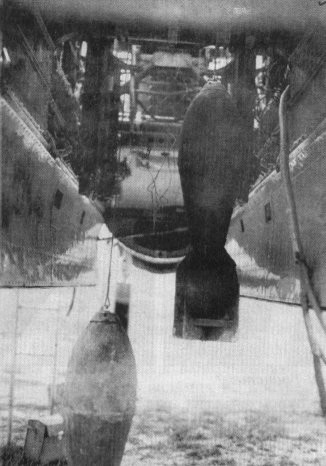
FAB-100 bomb loading
This Tupolev SB-2 is being loaded with FAB-100 bombs for a new mission.

The new war scenario between Finland and the USSR (after the 1939-40 Winter War) opens a new front on the 25th of June, due north of Leningrad (Karelian isthmus). Both air forces start to fight. Finnish bases like Luostari and Rovaniemi are attacked, as the capital city Helsinki and Turku are too. Italian design FIAT G.50 and American made Brewster 239’s face
the VVS Tupolev SB’s and DB’s.

During the summer of 1941 the Soviet rate of losses is simply unacceptable for any Western standards, but the Messerschmitt pilots meet very determined aviators who stubbornly keep the attack courses until the bombs have been released. The Germans report cases of doomed bombers where their machine gunners keep firing, while falling in flames, not bailing out.

On the 30th of June 1941 (only 8 days after the war in the East) just the SB fleet has been decimated down to 50%. Slowly these veteran machines which already saw action in China, Finland and Spain will be transferred to night missions…

Did you find this article interesting? Leave your comments below…

Follow other articles in Twitter @barbarroja0300h
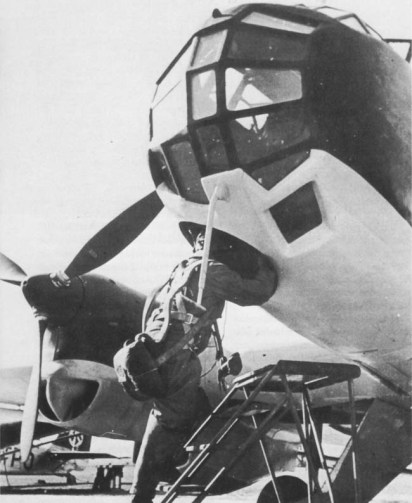
Junkers Ju-86P

[English version at the end]

LAS MÁQUINAS DE BARBARROJA

¡Ya a la venta Barbarroja 03:00 hrs!

JUNKERS JU-86P

Es un aparato de reconocimiento de alta cota. El servicio de reconocimiento, al que se le da gran importancia en Alemania, divide sus flotas de aviones en dos grupos:

junkers ju-86p reconocimiento
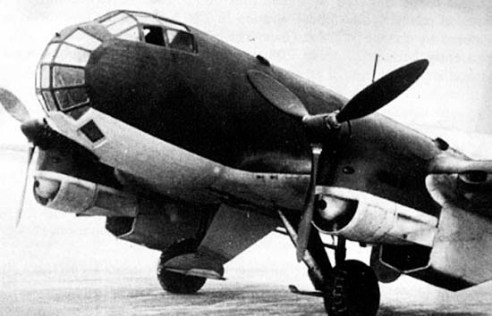
La tripulación del Junkers Ju-86P accede a la cabina presurizada a través de una escotilla bajo el lado derecho del morro.

1.- Escuadrillas de reconocimiento de corto radio de acción de apoyo al ejército de tierra <Nahaufklärungsstaffeln o Aufklärungstaffeln (Heer)>

2.- Escuadrillas de reconocimiento de largo radio de acción <Fernaufklärungsstaffeln o Aufklärungstaffeln (F)>

Así, las unidades de cooperación con el ejército de tierra adquieren la denominación Aukl./(H). o sencillamente (H). Análogamente las de gran alcance, Aufkl./(F). o (F). La primera unidad  en entrar en acción es el Aufklärungsstaffel A/88, que en 1936 se convierte en los ojos de la Legión Cóndor en la Guerra Civil Española (1936-39).

De entre todos los tipos de las unidades (F) de largo radio de acción, el Ju-86P juega un papel relevante en la preparación de las operaciones antes de la campaña de invasión de la URSS. Gracias a su gran radio de acción y capacidad de volar a un gran techo, es el avión adecuado para esta misión. Como se indica, hace  una importante labor de recolección de imágenes que convenientemente procesadas van a identificar objetivos en tierra para las alas de bombardeo y caza.

aufklaerungsgruppe oberbefehlshaber der luftwaffe
Emblema de la unidad de reconocimiento de largo alcance de la Comandancia de la Luftwaffe «Oberbefehlshaber der Luftwaffe». Los primeros Ju-86P le son asignados. Posteriormente serán destinados en el 4.(F)/Ob.d.L.

La firma Junkers había estado experimentando desde 1939 con cabinas presurizadas usando como plataforma el viejo bombardero Ju-86D y una variante del motor diesel Jumo 207A de 1.000 C.V. con sobrecompresor para gran altitud. Se le dota además de tres cámaras de alta resolución. El tercer prototipo V3 alcanza los 12.000 metros (39.360 pies). Tiene una extraordinaria envergadura de 25,6 metros (la última versión Ju-86R, con hélices cuatripalas, alcanzará los 32 metros). En 1940 pocos cazas hay capaces de interceptarlo, por no decir ninguno. De hecho, este verano se hace un ensayo operativo con uno de los prototipos sobre Gran Bretaña y alcanza los 12.500 metros (41.000 pies). Es posible que el aparato ni siquiera haya sido detectado por el sistema de radar británico, pero si lo ha sido, ha sobrevolado las islas sin ser molestado. Hay que esperar hasta 1942, cuando un Spitfire Mk. V de la R.A.F. consiguirá interceptar a un Junkers a la inusual altitud de 12.800 metros (42.000 pies) al norte de El Cairo.

junkers ju-86p2 camaras ventrales
Junkers Ju-86P-2. La vista de la panza de la aeronave deja ver los alojamientos de dos de las cámaras verticales.

Los Junkers están encuadrados en una unidad especial (creada ya en 1939), el Aufklärungsgruppe Oberbefehlshaber der Luftwaffe, bajo el mando del teniente coronel Theodore Rowehl.

En una de las misiones de reconocimiento sobre la URSS se produce un hecho significativo que está a punto de comprometer los planes de Hitler sobre la Operación Barbarroja: Un Ju-86P-2 del 4(F)/Aufkl.Gr.Ob.d.L. (4º Grupo de Reconocimiento del Mando de la Fuerza Aérea) a finales de 1940 tiene que hacer un aterrizaje de emergencia cerca de Rovno (Ucrania) por un problema de motor. La tripulación es internada y Stalin informado. Las fotografías y el equipo secreto es confiscado. El mariscal Timoshenko intenta persuadir a Stalin para fusilar a los espías aéreos, pero este no hará nada al respecto que pueda servir a Alemania de excusa para elevar la tensión internacional.

Las órdenes directas de Hitler a estas escuadrillas son de penetrar en espacio aéreo soviético 300 kilómetros, haciendo hincapié en el reconocimiento de los aeródromos de la VVS (Voenno Vozdushnye Sily o Fuerzas Aéreas Soviéticas) . El domingo 22 de junio de 1941, las carpetas de objetivos con las imágenes de inteligencia estarán listas…

¿Te ha resultado de interés este artículo? Deja tu comentario abajo…

¡Adquiere la obra cronológica Barbarroja 03:00h en edición de coleccionista!

Comprar Ahora Button

Sigue interesantes referencias también en Twitter @barbarroja0300h

…………………………………[English version]………………………………

BARBAROSSA’S MACHINES

JUNKERS JU-86P

junkers ju-86p
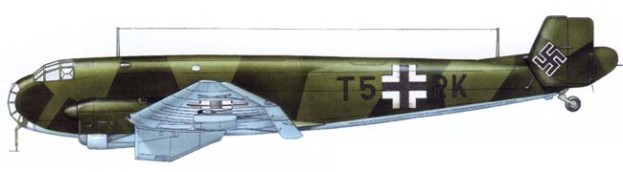
Junkers Ju-86P diagram. Note the enlarged wingspan needed for cruising at high ceilings.

It is a high altitude reconnaissance aircraft. The reconnaissance services, deemed as being of the utmost importance in Germany, divide the fleets in two branches:

1.- Short range Army support squadrons <Nahaufklärungsstaffeln o Aufklärungstaffeln (Heer)>

2.- Long range reconnaisance squadrons <Fernaufklärungsstaffeln o Aufklärungstaffeln (F)>

Following this classification, Army support units are named as Aufkl./(H) or simply (H). Consequently the long range fleet is Aufkl./(F) or just (F). The first of these to see action is the Aufklärungsstaffel A/88, that in 1936 will be the eyes in the sky of the Condor Legion during the Spanish Civil War (1936-39).

Out of the long range (F) reconnaissance aircraft types, the Junkers Ju-86P plays an essential role in order to update and create target folders for the USSR invasion campaign. Thanks to its endurance and capability to operate at great ceilings the Ju-86P proves itself as a very adequate platform for this task. As mentioned, it is able to collect imagery that conveniently treated will be used as intelligence data for future targets for Hitler’s air-to-ground aircraft.

Junkers Ju-86P nose section
Pressurized cockpit nose section detail. This is a «P» variant. The Ju-86R’s will be fitted with four blade propellers.

Since 1939 Junkers design teams had being testing pressurized cabins, using outdated Ju-86D bombers, and a high altitude  1,000 H.P. diesel Jumo 207A engine. They had decided to fit the prototype with 3 high resolution cameras. Its ceiling is certainly impressive, 12,000 metres (39,360 feet). Its wingsspan is also lenghthened to 25.6 metres (the last four-blade propeller version, Ju-86R, will reach 32 metres). In 1940 possibly there’s no fighter in the world capable to intercept the Junkers aeroplane. As a matter of fact, this summer an operational test is carried out over Great Britain at 12,500 metres (41,000 feet). It is possible that the machine hasn’t even been detected by the British radar system, but if it has, the German has flown over the isles unmolested. It is two years after, 1942, when a R.A.F. Spitfire Mk.V will intercept a Ju-86P at the impressive altitude of 12,800 metres (42,000 feet) north of Cairo.

ju-86p profile
2.(F)/Aufklärungsgruppe (2nd Long Range Recce Group)

The Junkers machine is assigned to a very special flying unit since its set up in 1939, the Aufklärungsgruppe Oberbefehlshaber der Luftwaffe (Air Force Command Reconnaissance Group). It is under Lieutenant Colonel Theodore Rowehl’s orders.

During a photo-reconnaissance mission over the USSR, a single event threatens to compromise Hitler’s Operation Barbarossa. A lone Junkers Ju-86P-2 from the 4(F)/Aufkl.Gr.Ob.d.L. (4th Luftwaffe Command Reconnaissance Group)  performs an emergency landing near Rovno (Ukraine) due to engine trouble. The crew is arrested and Stalin informed. The secret pictures and gear confiscated. Marshall Timoshenko insists on executing the air-spies, but Stalin won’t do anything that can be used as an excuse by Germany to escalate the international situation.

aerophotography daugavpils
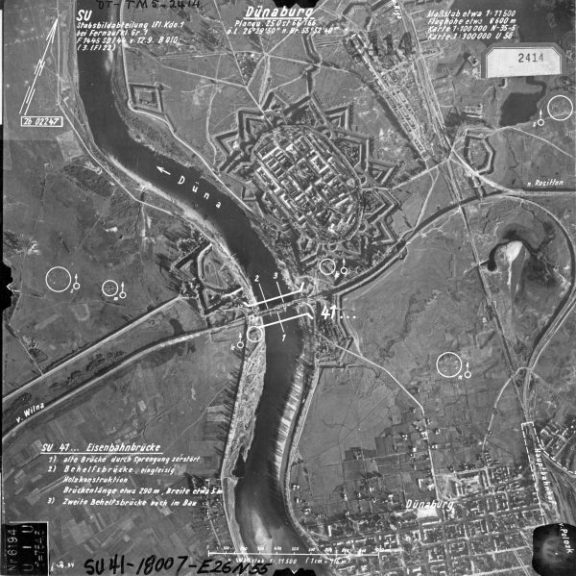
Aerophotography of Daugavpils by river Western Dvina. The bridge is being assesed as partly damaged.

Hitler’s guidelines clear Theodore Rowehl to cover up to 300 kilometres deep in to Soviet territory, with special emphasis to reconnoiter VVS (Voenno Vozdushnye Sily or Soviet Air Forces) aerodromes. For Sunday 22nd of June 1941 the target folders with their corresponding intelligence imagery will be ready…

Did you find this article interesting? Leave your comments below…

Follow other articles in Twitter @barbarroja0300h
Planeamiento de «Barbarroja» 5ª Parte

[English version at the end]

LA GÉNESIS DE “BARBARROJA”

¡La obra de la invasión de Rusia ya a la venta!

5ª  PARTE:

Marcks, Paulus y su diferente perspectiva sobre el ataque a la URSS.

Hitler, Paulus. OKW
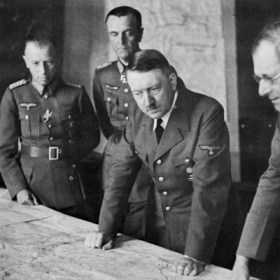
Hitler en una conferencia de planeamiento. Friedrich Paulus tras él. Este se hará cargo del trabajo de Marcks y lo adaptará a los deseos de Hitler.

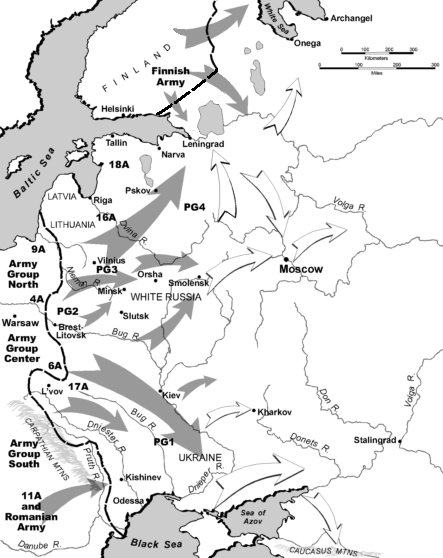
Acabado el estudio de Marcks de invasión de la URSS, el 5 de agosto de 1940 se hará oficial su entrega. Como se describe en las partes anteriores, el más ambicioso plan alemán de la Segunda Guerra Mundial y de la historia de los conflictos, se basa en dos premisas básicas: dos ejes de ataque partiendo de Polonia y la capital de Stalin como objetivo prioritario.

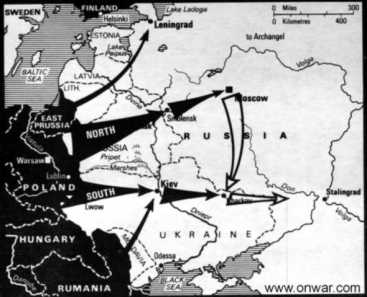
En septiembre de 1940 lo retomará el Generalleutnant (teniente general) Friedrich Paulus (el futuro mariscal que en 1943 rendirá su 6º Ejército en Stalingrado), destinado en el OKW (Oberkommando der Wehrmacht), Alto Mando de las Fuerzas Armadas. El plan inicial de ataque a la URSS sufrirá una modificación importante: Ya no se contemplan 2 grupos de ejército, sino 3 y Moscú será un objetivo condicionado. Es decir, una vez que el Grupo de Ejércitos “Centro” haya tomado Smolensk, la continuación de la ofensiva hacia Moscú, o no, dependerá de la progresión del Grupo de Ejércitos “Norte” en la consecución de su objetivo, que es la captura de Leningrado. Paulus abre la posibilidad de que el Grupo de Ejércitos “Centro” tenga que distraer un número de tropas para apoyar la toma de Leningrado.

mapa-plan-paulus
El nuevo plan contempla a 3 grupos de ejército. Dos pertiendo de Polonia y un tercero desde el sur de Polonia y Rumanía.

El Gran Almirante Raeder se entrevista por entonces con Hitler e intenta disuadirle de abrir un segundo frente sin haber acabado primero con Gran Bretaña. Él es de la opinión de que Alemania debería apoyar el esfuerzo italiano de hacerse con el canal de Suez. Así el avance hacia Palestina y Siria estaría próximo y no sería necesario atacar a la URSS desde el norte. Pero Raeder se da de bruces con una decisión de carácter no sólo militar o económica, sino ideológica. Hitler sabe (y Stalin) que el enfrentamiento sucederá tarde o temprano…

El 29 de octubre desde el OKW Halder recibe el plan modificado de Paulus. Queda claro que la relación de fuerzas no es favorable para Alemania, lo que obligará a concentrar tropas en el Schwerpunkt (punto de ruptura decisivo), pero desprotegiendo otras zonas aceptando riesgos. No obstante, incluso el general Halder, detractor firme del plan y el resto de la oficialidad alemana, no escapa a la sensación de superioridad del soldado alemán frente al soviético. La campaña soviética contra Finlandia en el invierno 39-40, en la que Stalin consigue una victoria pírrica, apoya la idea de que el RKKA (Ejército Rojo) es un gigante poco preparado y desmotivado…


Ir a la 4ª parte

La 6ª Parte pronto en este blog…

¡Adquiere la obra cronológica “Barbarroja 03:00h” en edición de coleccionista!


Comprar Ahora Button

Sigue interesantes referencias también en Twitter @Barbarroja0300h

-—————————————[English version]——————————————

“BARBAROSSA’S” ORIGINS

PART 5:

Marcks, Paulus and their  planning.

Once Marcks has completed  his study for the invasion of the USSR, he officially submits it on the 15th of August 1940. As described in the previous parts, it is the most ambitious  German invasion plan of World War Two and its consequences will surpass any other’s in the History of Mankind. It is based on 2 assumptions: 2 attack axis starting from Poland and Stalin’s capital city as primary target.

hitler-halder-7-agosto-41
Adolf Hitler with Halder at his left side. The meeting will take place on the 7th of August’ 41 with Operation «Barbarossa» in full swing.

In September 1940 Generalleutnant Friedrich Paulus (the future Field Marshall who will surrender his 6th Army at Stalingrad in 1943) will take over the planning. He is assigned to the OKW (Oberkommando der Wehrmacht), Supreme Armed forces Command. The initial attack plan against the USSR will be significantly amended. It is not 2 army groups any more but 3 and Moscow will be a target on condition. This means that once Army Group “Center” had taken Smolensk, it will be cleared to continue towards Moscow depending on Army Group “North’s” own progression towards Leningrad. Paulus leaves a chance for reinforcing the latter with troops from Army Group “Centre” to support seizing Leningrad.

Grand Admiral Raeder tries to convince Hitler about not opening a second front before beating Great Britain. On the contrary, he supports the idea of helping the Italians capture the Suez Canal. This way Palestine and Syria would be next on the list and it would not be necessary to attack the USSR from the North. But Raeder faces not only a military or economical decision, but ideological. Hitler (and Stalin) know that war at some point is a certainty…

On the 29 October 1940 the OKW gives Halder Paulus’ amended plan. It is clear then that the force ratio is not on Germany’s side. This will force a strategy of concentrating forces over a Schwerpunkt (decisive point of interest), leaving other sectors unprotected, therefore taking risks. However, even Halder, who openly opposes the plan and the rest of the German staff, have a feeling of superiority over the Soviets. The pyrrhic Soviet victory over Finland in 1939-40 proves the unpreparedness and lack of motivation of the Red Army…


Go to Part 4

Part 6 coming soon…


Follow interesting references in Twitter @Barbarroja0300h


← Volver

Gracias por tu respuesta. ✨

Messerschmitt Bf-109F

[English version at the end]

LAS MÁQUINAS DE “BARBARROJA”

¡Ya a la venta «Barbarroja 03:00 hrs»!

MESSERSCHMITT Bf-109F

bf-109f2 stab i jg 3 lutsk ussr hahn july 1941
Bf-109F-2 de Hans von Hahn en Lutsk (Ucrania), julio de 1941. I./JG 3. El 9 del mismo mes recibirá la Cruz de Caballero de la Cruz de Hierro por sus 21 victorias aéreas.

El Messerschmitt Bf-109F (“Fritz” o “Friedrich”) es el sucesor a principios de 1941 de la variante “Emil”, de la familia de cazas del profesor Messerschmitt más construida en la historia de Alemania. Para muchos, de todas las versiones fabricadas hasta la finalización del conflicto, el modelo Bf-109F es sin duda el más conseguido. Combina maniobrabilidad, potencia y velocidad, aunque a costa de no ir excesivamente armado, con “sólo” dos ametralladoras de 7,92 mm. sobre el capó del motor y un cañón que dispara a través del buje de la hélice.

bf-109f4-iii-jg77-b13-oblt-kurt-ubben-russia-sep-5-1941-02
Teniente Kurt Ubben y su Bf-109F. III./JG 77.

En el momento del Barbarossatag el Bf-109F es la montura de la mayor parte de los pilotos  de caza que entran en combate en la URSS. Y la mayor parte de sus contrincantes directos, principalmente veteranos cazas Polikarpov, no son técnicamente rivales para los alemanes. Los soviéticos, no obstante tienen en inventario cazas MiG-1 y 3 y Yak-7, que pueden hacer frente al Messerschmitt. Pero cantidades ingentes de ellos serán destruidos en el suelo en las primeras horas del 22 de junio de 1941. Con general superioridad técnica, táctica y de entrenamiento, los pilotos de caza de la Luftwaffe empezarán a amasar victorias aéreas, convirtiendo el peligroso oficio de la guerra en una especie de competición personal en muchos casos…

¿Te ha resultado de interés este artículo? Deja tu comentario abajo…

¡Adquiere la obra cronológica “Barbarroja 03:00h” en edición de coleccionista!

Comprar Ahora Button

Sigue interesantes referencias también en Twitter @barbarroja0300h

…………………………………[English version]………………………………

“BARBAROSSA’S” MACHINES

MESSERSCHMITT Bf-109F

bf109-jg54-hannes-traufloft
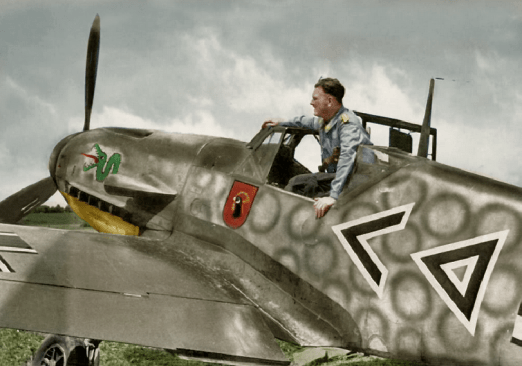
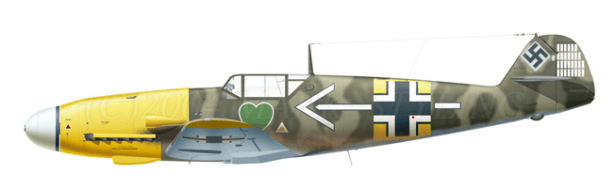
Bf-109F-2. Johannes Trautloft. JG 54. The unit symbol of the 54th Fighter Wing is a green heart «Grünhertz» by the cockpit. Trautloft is a seasoned veteran of the Spanish Civil War

The Messerschmitt Bf-109F (“Fritz” or “Friedrich”) is the replacement in early 1941 of the “Emil” variant, professor Messerschmitt’s most built German fighter family in German History. For many of its pilots, from all the different versions until the end of WWII, the Bf-109F is undoubtedly the best balanced. It mixes maneuverability with power and speed. However it is lightly armed, with “only” two 7.92 mm. machines guns on the engine cowling and a canon firing through the propeller hub.

bf-109f-jg3-udet-vs-rata-arkadiusz-wrobel-oberleutnant-robert-olejnik-staffelkapita%cc%88n-of-1-jg-3-shepetowka-rusia-1941
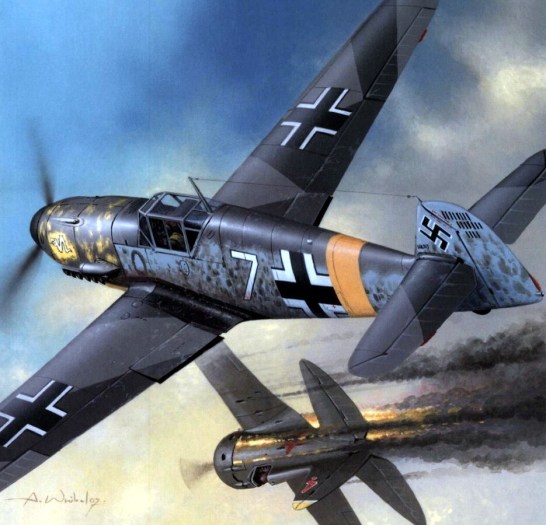
Bf-109F belonging to the JG 3 «Udet» dogfighting a Polikarpov I-16 «Ishak». The author’s drawing, Arkadiusz Wrobel, presents Oberleutnant Robert Olejnik, Staffelkapitän 1./ JG 3 in Shepetovka, 1941

At Barbarossatag the Bf-109F is the standard machine of most of the fighter wings which see combat in the USSR. Most of its adversaries, namely obsolescent Polikarpov fighters, are no match for the Germans. The Soviets, nevertheless are slowly introducing  modern types like the MiG-1, MiG-3 and Yak-7 which can face the Messerschmitts. However, large quantities of them will be destroyed on their bases in the early morning hours of the 22nd of June’ 1941. Generally the Luftwaffe pilots (except a number of cases) will enjoy the benefits of better technology, tactics and training and will soon claim amazing numbers of air kills. For many, the dangerous business of war will turn into a personal contest…

Did you find this article interesting? Leave your comments below…

Check other entries in Google+ too

Follow other articles in Twitter @barbarroja0300h

Planeamiento de «Barbarroja» 2ª Parte

[English version at the end]

LA GÉNESIS DE “BARBARROJA”

¡La obra ya a la venta!

2ª PARTE:

Marcks, Erich OKH heer wehrmacht halder
General Erich Marcks, iniciador del primer estudio de ataque a la URSS. Su concepción se basa en dos ejes de ataque y Moscú como objetivo principal

El 29 de julio de 1940 Erich Marcks es un personaje de segunda fila en el organigrama del Ejército alemán. Si bien es general, está destinado en un estado mayor subordinado. No obstante, la historia le va a reservar un puesto especial: será el que inicie el planeamiento de la mayor campaña militar de todos los tiempos: la invasión de la URSS.

mapa-marcksplan
Concepto del ataque de Marcks. Dos grupos de ejército con objetivo principal, Moscú y secundarios, Leningrado y Kiev.

Marcks será destinado en esa fecha temporalmente desde su puesto de jefe de estado mayor del 18º Ejército al OKH, Alto Mando del Ejército (Oberkommando des Heeres) para iniciar tamaña tarea. Temporalmente su jefe será Franz Halder, Jefe del Estado Mayor del OKH.

Iniciado el trabajo de planeamiento de la operación de invasión de la URSS en julio de 1940, el FHO, Sección de Inteligencia de Ejércitos “Este” (Fremde Heeres Ost) redobla esfuerzos para actualizar sus datos sobre el orden de batalla soviético. El general Marcks, encargado por Franz Halder del estudio inicial, tiene en cuenta los datos de inteligencia disponibles de julio de 1940: Los soviéticos tendrían entre 50 y 75 divisiones de primera línea. Y esta fuerza podría ser asaltada por 80-100 divisiones de la Wehrmacht.

Pero las estimaciones de la Sección de Inteligencia “Este” del teniente coronel Eberhardt Kinzel pecan de muy optimistas. Kinzel es un oficial de infantería y no un hombre de la inteligencia, no habla ruso y no es posiblemente el mejor candidato para su puesto. Además, con la prohibición expresa de Hitler, antes de 1940, de recolectar datos de la URSS, posiblemente Kinzel se ve sobrepasado en su fundamental labor de ofrecer datos contrastados y realistas sobre la cantidad de divisiones soviéticas que existen.

De hecho, continuando en agosto el estudio, Marcks sube la estimación a 96 divisiones de fusileros (infantería), 23 de caballería y 28 brigadas mecanizadas en la URSS occidental. En sus cálculos esta fuerza no sería capaz de incrementarse apreciablemente para el comienzo de la operación. Son datos alentadores que abrigan la esperanza de una rápida victoria en el este. Pero son cifras aún excesivamente optimistas…

Con todo, Moscú parece el objetivo de la operación. Con esta premisa Erich Marcks entrega su plan a Halder el 5 de agosto…

Ir a la 1ª parte

Continuar a la 3ª Parte

¡Adquiere la obra cronológica Barbarroja 03:00h en edición de coleccionista!


Comprar Ahora Button

Sigue también interesantes referencias en Twitter @Barbarroja0300h

-———————————————[English version]————–———————————

“BARBAROSSA’S” ORIGINS

2nd PART:

On the 29th of July, 1941, Erich Marcks is a second line character in the German Armed Forces hierarchy. Being indeed a general, he is a chief of staff of a subordinate command. However, History will spare a special place for him: He will initiate the planning of the

kinzel-eberhardt-220px-bundesarchiv_bild_146-1985-048-28_eberhard_kinzel
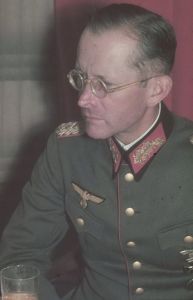
Eberhardt Kinzel. En esta ilustración de 1943 es ya general, pero en 1940 es el teniente coronel jefe del FHO (sección de Inteligencia de los Ejércitos «Este»). Sus datos sobre el Ejército Rojo influencian peligrosamente el plan de Marcks. [Cortesía Bundesarchiv]

largest military campaign of all times: the invasion of the USSR.

On this very same date, Marcks is assigned from his post as 18th Army Chief of Staff to OKH Army High Command (Oberkommando des Heeres) to commence such a job.

Once the invasion of the USSR planning is started in July, 1940, the FHO, “East” Armies Intelligence Division (Fremde Heeres Ost), redouble efforts to update the Soviet order of battle. General Marcks, ordered by Halder to commence the study takes into account the July’ 40 available data : The Soviets would have no more than 50-75 first class divisions. And this force would be easily overwhelmed by 80-100 Wehrmacht divisions.

But Lieutenant Colonel Eberhardt Kinzel’s Intelligence Section is certainly optimistic. Kinzel is an infantryman and not an expert on intelligence matters, he doesn’t speak Russian and he isn’t possibly the best candidate for his post. On top of that, due to Hitler’s orders of avoiding any intelligence activities over the USSR before 1940, Kinzel is overwhelmed with the paramount job of providing realistic assessment of numbers of Soviet divisions.

As a matter of fact in August, Marcks, in full swing planning process, raises the estimates to 96 fusiliers (infantry) divisions, 23 cavalry and 28 mechanized brigades in Western USSR. And it is deemed that this figure would not raise significantly by spring next year. These are encouraging numbers to support the hopes of a rapid victory in the East. But still these figures are excessively optimistic…

Summarizing, Moscow seems to be the main objective of the operation. With these premises, Marcks finally submits his plan to Halder on the 5th of August, 1940…

Go to Part 1

Continue to Part 3

Follow interesting articles in posts @Barbarroja0300h


← Volver

Gracias por tu respuesta. ✨

Keller, Alfred. Generaloberst

Keller-Alfred 1 luftflotte
Generaloberst Alfred Keller. 1. Luftflotte. Grupo Ejércitos «Norte»

[English version at the end]

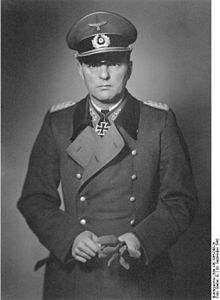
Generaloberst Alfred Keller. Está al mando del 1. Luftflotte (1ª Flota Aérea) asignada al teatro de operaciones del Grupo de Ejércitos “Norte”. Tiene como misión el apoyo desde el aire de las operaciones de Wilhelm Ritter von Leeb desde Prusia Oriental hasta las aguas del Dvina y posteriormente hasta Leningrado. Su cadena logística se gestiona desde Köningsberg, en Prusia Oriental.

Al igual que las otras unidades de la Luftwaffe de los otros teatros, participará al amanecer del 22 de junio en el ataque a bases aéreas de la VVS, la Fuerza Aérea Roja. La sorpresa será denominador común ocasionando pérdidas severas a las fuerzas aéreas del general Ionov (Distrito Especial Militar del Báltico). Entre otras alas de combate contará con la archifamosa Ala de Caza núm. 54 Grünherz, al mando de un líder muy capaz: el comandante Johannes Trautloft, veterano de la Guerra Civil Española.

Gracias a la intervención directa de los aviadores de Keller, se posibilita la progresión de las tropas de von Leeb hasta los arrabales de Leningrado. En las primeras semanas, los soviéticos reaccionan enviando a multitud de bombarderos Tupolev sin escolta de cazas, lo que engrosará la lista de victorias de los pilotos de Messerschmitt de Alfred Keller.

Pronto empezará a notar la falta de repuestos y cómo la operatividad de sus unidades desciende radicalmente, en un escenario bélico con las líneas de suministro sobreextendidas…

Esto y mucho más en la obra cronológica Barbarroja 03:00 hrs.


Comprar Ahora Button

———————————————[English version]———————————————

He is in command of the 1. Luftflotte (1st Air Fleet) assigned to Army Group “North”. His mission is to support von Leeb’s operations from Eastern Prussia to the waters of the river Dvina and further, towards Leningrad. His logistical support is managed from Königsberg (Eastern Prussia).

bf109 jg54 hannes traufloft
Johannes Trautloft’s personal Bf-109F-2. JG 54. 1.Luftflotte.

Like its other Luftwaffe sister units in the rest of the theatres of operations, at dawn on the 22nd of June 1941, he  will carry out surprise attacks against the airbases of the VVS, the Red Air Force. Under almost total surprise he will inflict severe losses on General Ionov‘s flying units (Baltic Special Military District). Apart from  bomber units, Alfred Keller will count on the famous JG 54 (54th Fighter Wing) Grünhertz commanded by a very capable leader: Major Johannes Trautloft, a seasoned veteran from the Spanish Civil War.

Thanks to Keller’s aviators, von Leeb will eventually arrive to the gates of Leningrad. In the first weeks the Soviets will react sending endless numbers of twin engine Tupolev bombers without fighter escort, fact that will greatly enlarge the list of victories of Keller’s Messerschmitt pilots.

However, this success will bring soon a decline of readiness, due to an acute lack of spare parts in a war scenario with over-extended logistic lines…


← Volver

Gracias por tu respuesta. ✨

Gavrilov, Piotr Mikhailovich. Maior

[English version below]

PERSONAJES DE BARBARROJA

gavrilov-fortaleza-brest-junio-1941
Gavrilov, último defensor de la fortaleza de Brest

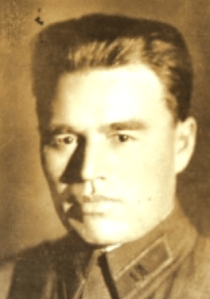
Gavrilov es el protagonista de una historia épica que comienza al primer segundo de BARBARROJA en la fortaleza de Brest. El comandante Gavrilov resiste a la 45ª División de Infantería germana mucho más de lo esperado. Incluso días después de declararse tomada por la infantería alemana, hay indicios de resistentes aún activos escondidos en las alcantarillas…

¿Quieres saber más? ¡Adquiere la obra cronológica Barbarroja 03:00h en edición de coleccionista!


Comprar Ahora Button

Muy interesante podcast de BlitzoCast sobre las acciones de Gavrilov en Brest.  Escuchar desde minuto 24…

Sigue otros posts en Twitter @barbarroja0300h

———————————————[English version]———————————————

BARBAROSSA’S CHARACTERS

brest litovsk fortaleza
Patriotic drawing of the hard-core resistance of the garrison. Assault after assault the Landser of the 45th Infantry Division get to fierce street fighting in the central isle only to be called off when losses are amounting.

Gavrilov is the character of an epic episode that commances on the very first second of “Barbarossa” in the Brest fortress. Major Gavrilov withstands the German 45th Infantry Division much longer than expected. Days after being taken by German infantry, there seems to be frantic resistance even in the sewers of the fortress…

Do you want to now more? Follow this blog, or…

Follow interesting articles in Twitter @barbarroja0300h


← Volver

Gracias por tu respuesta. ✨

Gavrilov, Pyotr Mikhailovich. Maior

[English version below]


PERSONAJES DE BARBARROJA


gavrilov-fortaleza-brest-junio-1941
Pyotr Mikhailovich Gavrilov, último defensor de la fortaleza de Brest

Gavrilov es el protagonista de una historia épica que comienza al primer segundo de la Operación Barbarroja en la fortaleza de Brest. Es uno de esos héroes de la Segunda Guerra Mundial desconocidos en Occidente. El comandante Gavrilov resiste el asalto de la 45ª División de Infantería germana mucho más de lo esperado. Incluso días después de declararse tomada por la infantería de la Wehrmacht, hay indicios de resistentes aún activos escondidos en las alcantarillas…


¿Quieres saber más?

¡Adquiere la obra cronológica Barbarroja 03:00h en edición de coleccionista!


Comprar Ahora Button


Muy interesante podcast de BlitztoCast sobre la resistencia de Gavrilov en Brest Escuchar minuto 24

Deja tu comentario abajo y sígue CONQUISTAR RUSIA punteando en la opción «SEGUIR / FOLLOW» a la izquierda de la página


[English version]


BARBAROSSA’S CHARACTERS


brest litovsk fortaleza
Patriotic drawing of the hard-core resistance of the garrison. Assault after assault the Landser of the 45th Infantry Division get to fierce street fighting in the central isle only to be called off when losses are amounting.

Gavrilov is the character of an epic episode that commences on the very first second of Operation Barbarossa in the Brest fortress. He is indeed one of the unsung heroes of World War Two in the West. Major Gavrilov withstands the assault of the German 45th Infantry Division much longer than expected. Days after being taken by the Wehrmacht infantry, there still seems to be frantic resistance even in the sewers of the fortress…


Please comment below and follow CONQUISTAR RUSIA clicking on «SEGUIR / FOLLOW» at the left of the page


← Volver

Gracias por tu respuesta. ✨